 roundup
 The 7 Best Analog Chorus Pedals in 2026
We rank 7 analog chorus pedals on warmth, control, and value. From the BOSS DC-2W Waza Craft to the EHX Small Clone, find your shimmer.
From glowing tube amps to crowded pedalboards: honest reviews and tone guides for building a rig that sounds like you.

We may earn a small commission through links on this page, at no extra cost to you. As an Amazon Associate, we earn from qualifying purchases. Ratings reflect our own editorial evaluation.
Guitar amps amplify and shape your electric guitar's raw signal while pedals add effects like overdrive, delay, and reverb to expand your tonal range. The amp provides your tonal foundation, whether that's clean headroom, natural breakup, or high-gain saturation, and pedals build on that base with textures and dynamics no single amp can produce alone.
The right combination depends on your genre, budget, and whether you play at home, in the studio, or on stage.
On its own, the electric guitar produces a thin, quiet signal. Plug it into the wrong amp or stack the wrong pedals, and that signal turns into a muddy, lifeless mess no amount of practice can fix.
Get the combination right, though, and even a mid-range guitar delivers tones that make people stop and listen. The market has shifted in recent years, with digital profilers capturing the DNA of vintage tube amps and boutique pedal makers turning stompbox design into an art form.
Budget-friendly gear from major manufacturers now sounds better than premium equipment did a decade ago. Below, we cover amplifier types, effects categories, signal chain order, pedalboard construction, and how to put it all together without breaking the bank.
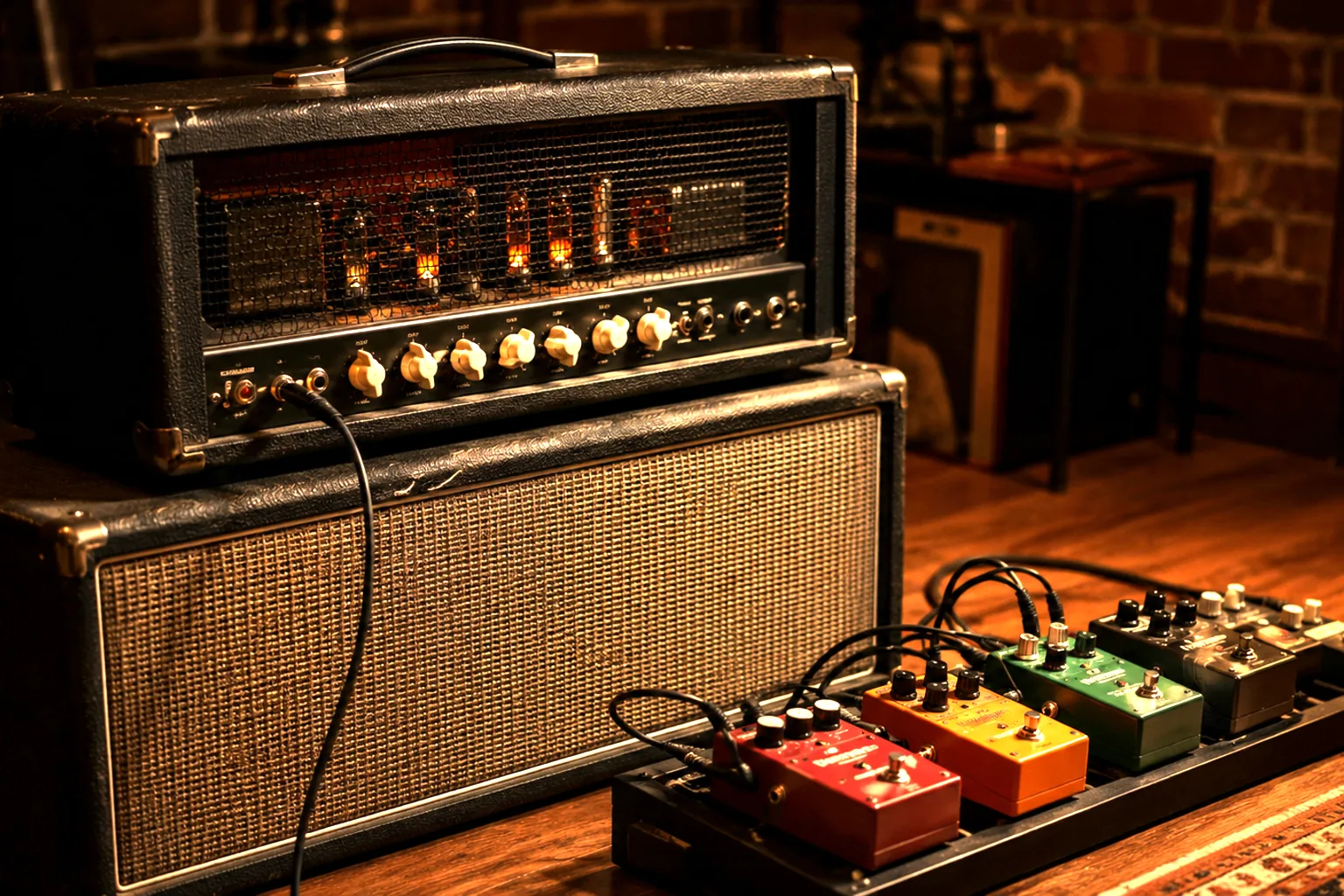
Your amplifier shapes your overall sound more than the guitar itself, and pedals extend that foundation into territory no single amp can cover.
Most beginners assume their guitar is the biggest factor in their sound. It matters, sure, but the amplification chain has a bigger impact on what your audience actually hears.
A $300 guitar through a quality tube amp sounds better than a $3,000 guitar through a cheap practice amp. The amp adds harmonic content, shapes frequency response, and introduces compression that defines every note's character.
Pedals take that foundation and expand it in directions no single amp can reach on its own. A delay pedal transforms a simple chord progression into something cinematic.
An overdrive pedal pushes a clean amp into gritty territory that responds to your picking dynamics.
The interaction between guitar, pedals, and amp creates a huge range of tonal possibilities. A humbucker feeding an overdrive into a pushed tube amp sounds completely different from single-coils running clean through a solid-state amp with chorus and reverb.
Once you understand each component, you control your sound instead of leaving it to chance. Every guitarist who thought "why don't I sound like that?" was usually missing amplification knowledge, not talent.
Looking for an amp you'll never outgrow? These three tube amps top our rankings year after year.
| # | Product | Our Rating | ||
|---|---|---|---|---|
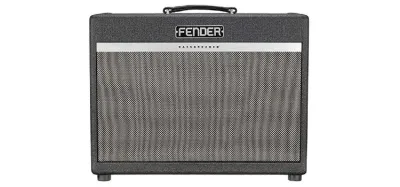
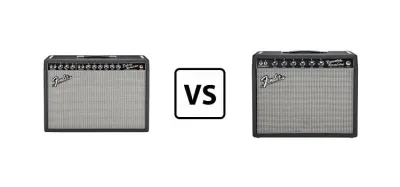
| 1 |  | Fender 65 Twin Reverb | ★★★★★ | Check Price |
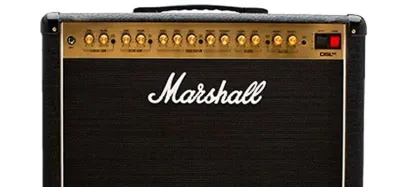
| 2 | 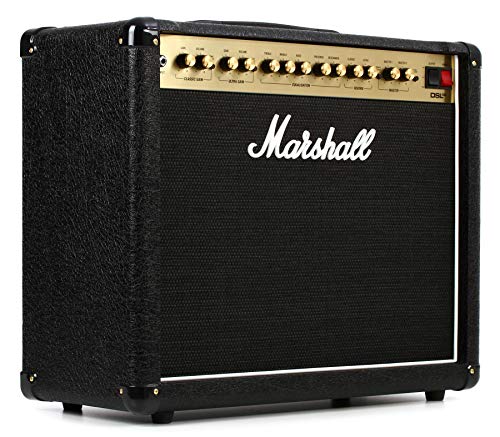 | Marshall DSL40CR | ★★★★★ | Check Price |
| 3 |  | Fender Blues Junior IV | ★★★★☆ | Check Price |
Compare all ten contenders in our full ranking of the best tube amps.
The four main types are tube, solid-state, modeling, and hybrid/profiling. Each has its own tonal character, maintenance requirements, and price point.
Guitar amps fall into these four categories, and each sounds, feels, and behaves differently. Knowing what separates them saves you from spending money on the wrong type.
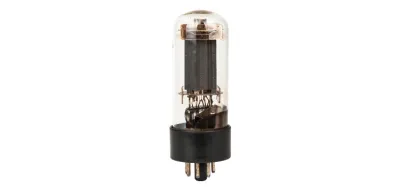
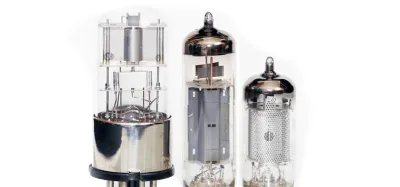
Tube amps use vacuum tubes in their preamp and power amp stages to amplify the guitar signal. They remain the gold standard for guitar tone thanks to natural compression, rich harmonic overtones, and touch-sensitive dynamic response.
When you pick softly through a tube amp, it stays clean and articulate. Dig in harder, and the tubes begin to saturate, producing musical overdrive that adds warmth and sustain without sounding harsh or artificial.
The most celebrated tube amps in history include the Fender Twin Reverb for crystalline cleans, the Marshall Plexi for raw rock crunch, the Vox AC30 for chimey British jangle, and the Mesa Boogie Dual Rectifier for high-gain modern metal.
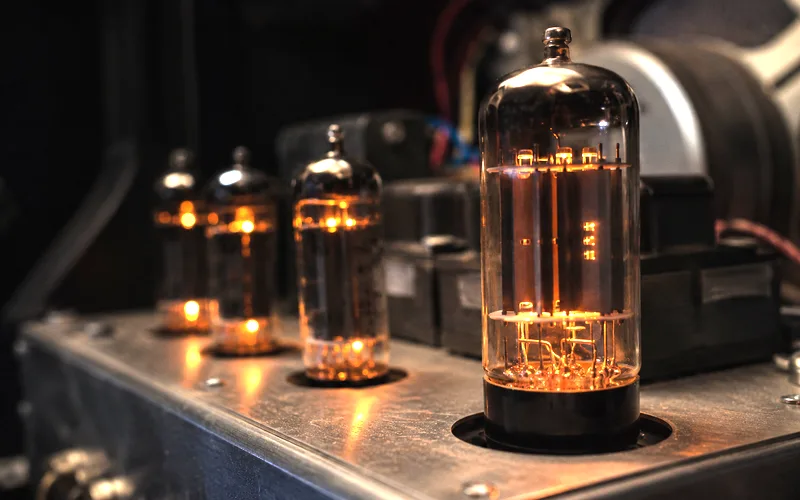
The downside? Tube amps aren't exactly convenient.
They weigh more, cost more upfront, and require tube replacements every one to three years depending on usage.
They also need sufficient volume before the tubes saturate and deliver their best tone, which can be problematic for apartment dwellers. For a deeper comparison, check out our guide on tube amps vs solid state.
Solid-state amps swap vacuum tubes for transistor circuits. They're lighter, more affordable, virtually maintenance-free, and deliver consistent tone at any volume level from whisper-quiet to stage volume.
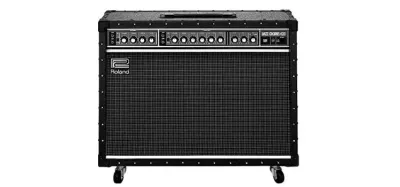
The Roland JC-120 Jazz Chorus is probably the most iconic solid-state amp ever built. Its pristine clean channel and legendary built-in stereo chorus have shown up on recordings across every genre for over four decades.
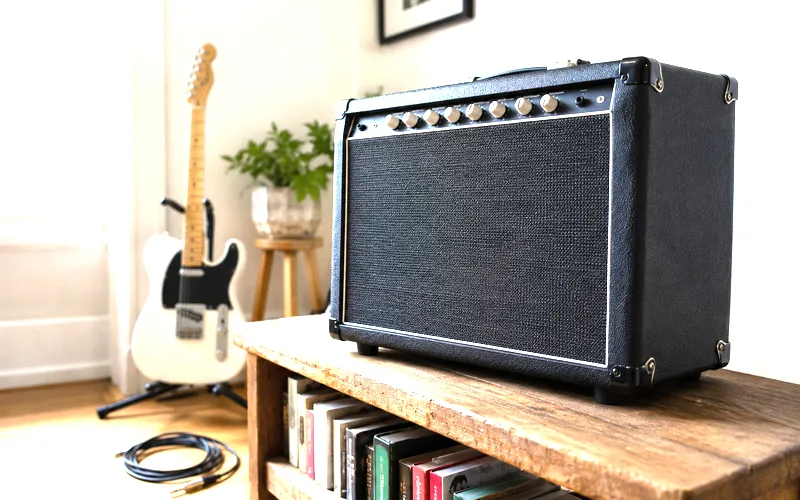
Modern designs from Orange, Quilter, and others have closed the tonal gap with tube amps considerably. That said, most experienced players still notice a difference in dynamic response and how solid-state overdrive feels under the fingers.
Solid-state amps excel as pedal platforms because their clean channels stay transparent and uncolored at high volumes. Players who rely heavily on pedals for their gain and effects often prefer the predictable, neutral foundation a solid-state amp provides.
Modeling amps use digital signal processing to emulate the sounds of multiple amplifier types and built-in effects within a single unit. Dollar for dollar, nothing else gives you this many tones.
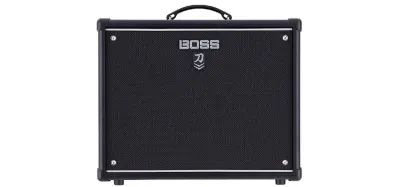
The Boss Katana series has dominated the modeling amp market since its launch, offering convincing simulations of classic amp tones at a price point that undercuts most single-channel tube amps. The Fender Mustang GTX, Line 6 Catalyst, and Positive Grid Spark represent other strong options across different price tiers.
For our full breakdown of the top options, see our best modeling amps roundup.
Most modeling amps connect to companion software that lets you tweak amp models, effects parameters, and signal routing from your computer or phone. Replicating that kind of deep editing with traditional analog gear would cost thousands.
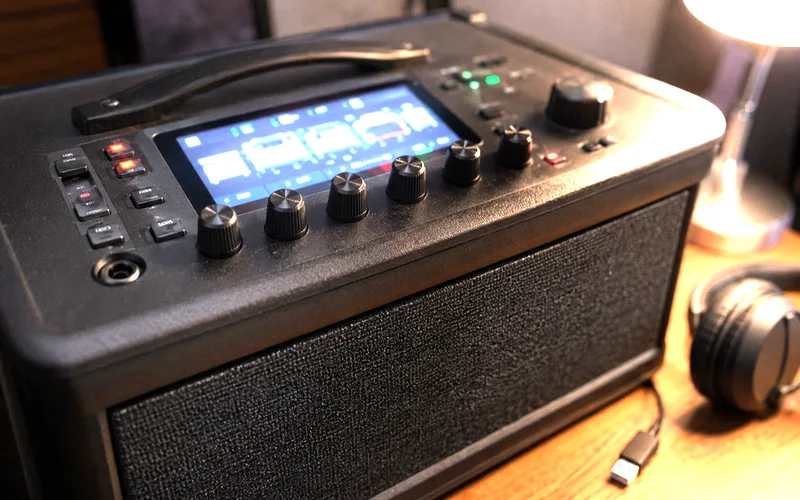
The catch is that some players find the feel less organic than a real tube amp, especially in how it responds to volume knob rolls and picking nuance. That gap keeps shrinking with every new generation, though.
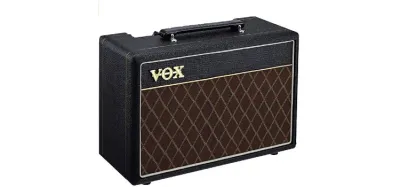
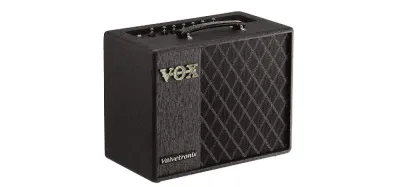
Hybrid amps combine tube preamp sections with solid-state power amps to deliver some of the tube warmth at a lower weight and price point. The Vox AV series and Marshall Code line use this approach to blend analog warmth with digital convenience.
Profiling amps sit at the top of the digital amplification food chain. The Kemper Profiler and Neural DSP Quad Cortex capture the exact tonal and dynamic profile of specific real amplifiers, reproducing them with accuracy that routinely fools professional sound engineers in blind tests.
More and more touring musicians have ditched heavy tube amp rigs for profiling units. A Kemper rack unit or Quad Cortex floor unit weighing under ten pounds can store hundreds of amp profiles, so there's no need to haul a fragile 60-pound tube head and matching cabinet from venue to venue.
The upfront cost is steep, typically between $1,500 and $2,200. But once you factor in the multiple tube amps it replaces, plus the savings on tube replacements and maintenance, the long-term math often favors going digital.
Guitar amplifiers come in two physical formats regardless of their circuit type. A combo amp integrates the amplifier electronics and speaker into a single enclosure.
A head and cabinet setup separates them, with the amp head sitting on top of or next to a standalone speaker cabinet.
Combos win on portability and simplicity. Most practice amps, modeling amps, and low-to-mid-wattage tube amps come in combo format because the all-in-one design suits their target audience.
Head and cabinet rigs offer greater flexibility. You can pair different amp heads with different speaker cabinets to fine-tune your tone.
A Marshall head through a Celestion Greenback-loaded cabinet sounds different than the same head through a cabinet loaded with Vintage 30 speakers. Swapping cabinets is far cheaper than replacing an entire combo amp.
For players who gig regularly with a consistent backline, a head and cabinet makes sense. For everyone else, a combo eliminates complexity and reduces the gear you need to haul and set up.
Choosing the right amp comes down to three things: where you play, what style you play, and what you can spend. Being honest about those priorities prevents buyer's remorse and saves you from cycling through amps that don't fit.
If you're a bedroom or home studio player, modeling amps or low-wattage tube amps with built-in attenuation are your best bet. A 40-watt tube combo cranked to its sweet spot in an apartment will get you evicted before it gets you good tone.
Gigging musicians need enough clean headroom to cut through a full band mix without a PA system to lean on. A 15-watt tube combo handles most small to medium club gigs comfortably.
For larger venues and outdoor shows, 30 to 50 tube watts or 100 to 200 solid-state watts provides adequate volume for stage monitoring. Check out our best gigging amps guide for specific recommendations.
Genre also narrows the field quickly. Jazz and clean-focused players gravitate toward Fender-style amps with high headroom and scooped midrange.
Rock and blues players lean toward Marshall and Vox circuits that break up musically at moderate volumes. Metal and high-gain players look at Mesa Boogie, EVH, Peavey, and Friedman designs built for tight, saturated distortion with precise low-end control.
Try any amp you're considering with your own guitar and pedals whenever possible. An amp that sounds incredible with the store's Les Paul might react completely differently to your Stratocaster.
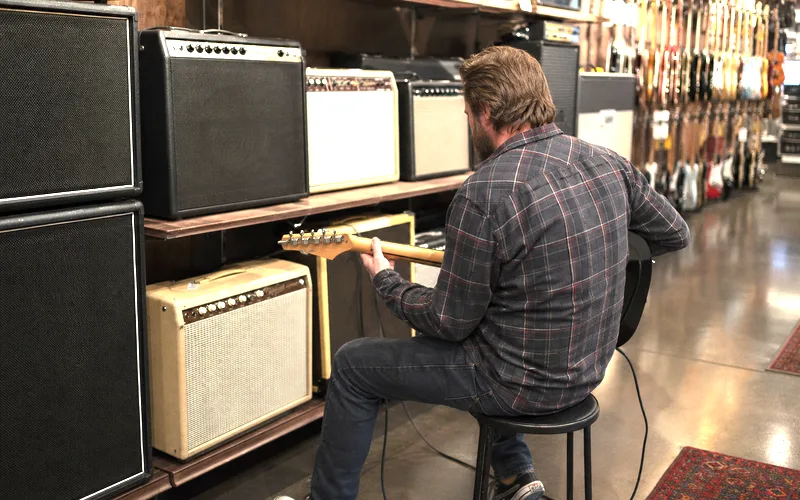
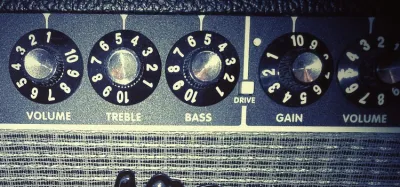
Learning how your amp's EQ controls interact with your playing style is just as important as the amp selection itself. Our guide to guitar amp settings covers that in detail.
Don't overlook practical features like built-in reverb, effects loops, channel switching, and headphone outputs. If you gig and use time-based effects, you need an effects loop.
A home player who practices at night needs a headphone output or attenuator. A player who switches between clean and dirty tones mid-song needs reliable channel switching with a dedicated footswitch.
The used market is worth checking. A three-year-old tube amp that's been properly maintained sounds identical to new at 40 to 60 percent of retail.
Tube amps depreciate faster than their actual tonal value declines. Buyers worry about maintenance costs that rarely materialize for well-cared-for units.
Finally, consider the resale value of your choice. Popular amp models from Fender, Marshall, and Vox hold their value well on the secondhand market.
If your style evolves, selling a Marshall DSL40 to fund a different amp is far easier than offloading an obscure brand nobody recognizes.
Wattage determines your amp's clean headroom and maximum volume, while speaker size shapes the frequency balance and projection of your sound.
Wattage is the most misunderstood spec in guitar amplification. More watts doesn't mean proportionally more volume, because the relationship between wattage and perceived loudness isn't linear.
Doubling the wattage only increases perceived volume by roughly three decibels, which is barely noticeable to the human ear. You need approximately ten times the wattage to sound twice as loud.
A 100-watt amp isn't ten times louder than a 10-watt amp. It's roughly twice as loud.
| Wattage Range | Tube Amp Use Case | Solid-State Equivalent | Best For |
|---|---|---|---|
| 1–5 watts | Bedroom practice, recording at low volume | 10–20 watts | Home players, late-night practice |
| 5–15 watts | Recording, rehearsal, small gigs | 20–50 watts | Studio work, small venues |
| 15–30 watts | Club gigs, medium venues | 50–100 watts | Gigging musicians without PA support |
| 30–50 watts | Large venues, outdoor stages | 100–200 watts | Touring, loud band settings |
| 50–100 watts | Arena volume, maximum headroom | 200+ watts | Professionals needing massive clean headroom |
Not necessarily. Lower-wattage tube amps often sound warmer because the tubes reach full saturation at manageable volumes, producing musical overdrive without ear-splitting levels.
Higher wattage provides more clean headroom, which matters for genres that demand crystal-clear dynamics at stage volume. A 5-watt tube amp cranked sounds fuller than a 50-watt amp barely idling.
Speaker size also shapes your sound in ways that wattage alone cannot explain. A 12-inch speaker delivers a full-range, balanced frequency response that works across most genres.
A 10-inch speaker produces a tighter, more focused midrange that cuts through a band mix effectively.
Open-back cabinets project sound in all directions, creating a wider, more ambient feel ideal for clean tones and lower-gain applications. Closed-back cabinets focus sound forward with tighter bass response and more punch, suiting high-gain playing and direct audience projection.
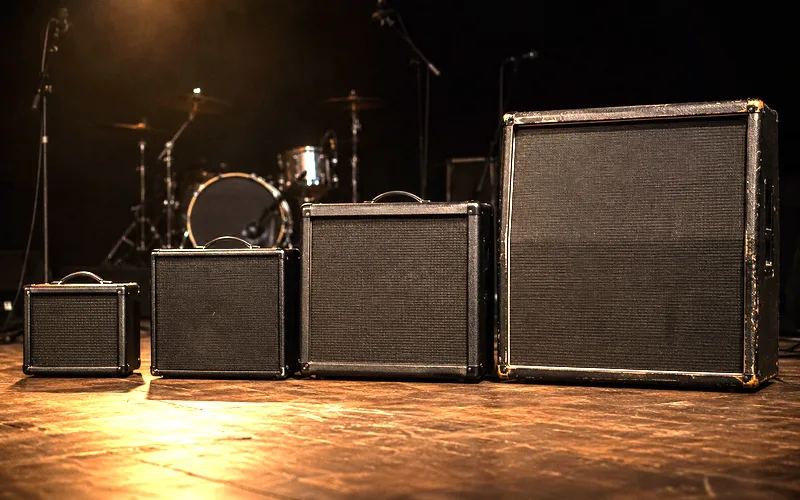
The number of speakers matters too. A single 12-inch speaker produces a focused, direct sound.
Two 12-inch speakers widen the stereo image and increase volume. A 4x12 cabinet delivers maximum bass response and stage presence, but weighing upward of 80 pounds makes it impractical for most non-touring musicians.
Building a board? Start with the dirt.
These three distortion pedals deliver the most tone for the money.
| # | Product | Our Rating | ||
|---|---|---|---|---|
| 1 |  | MXR M75 Super Badass Distortion | ★★★★★ | Check Price |
| 2 |  | BOSS DS-1 Distortion | ★★★★★ | Check Price |
| 3 |  | TC Electronic Dark Matter Distortion | ★★★★☆ | Check Price |
Hear how the rest compare in our full ranking of the best distortion pedals.
The core categories include gain (overdrive, distortion, fuzz), time-based effects (delay, reverb), modulation (chorus, phaser, flanger, tremolo), dynamics (compressor), filter (wah), and utility (tuner, noise gate, EQ).
Guitar effects pedals break into several categories based on how they shape your signal. Knowing each one and its standout models helps you build a rig that covers the sounds you need without duplicates or gaps.
These three gain types range from mild tube-like breakup (overdrive) to aggressive sustain (distortion) to extreme, woolly saturation (fuzz).
All three add gain and harmonic saturation, but each does it differently. Overdrive simulates a tube amp pushed into natural breakup.
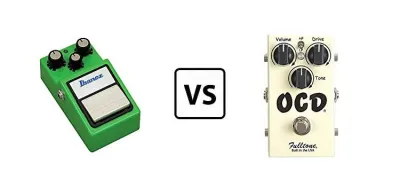
The Ibanez Tube Screamer is the most famous overdrive ever made. Its midrange-focused voice has appeared on more recordings than any other single pedal in history.
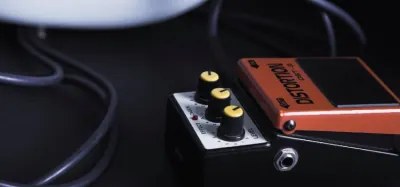
Distortion pedals generate harder clipping with more sustain and a more aggressive tonal character. The Boss DS-1, ProCo RAT, and MXR Distortion+ cover the range from mild rock crunch to searing high-gain saturation.
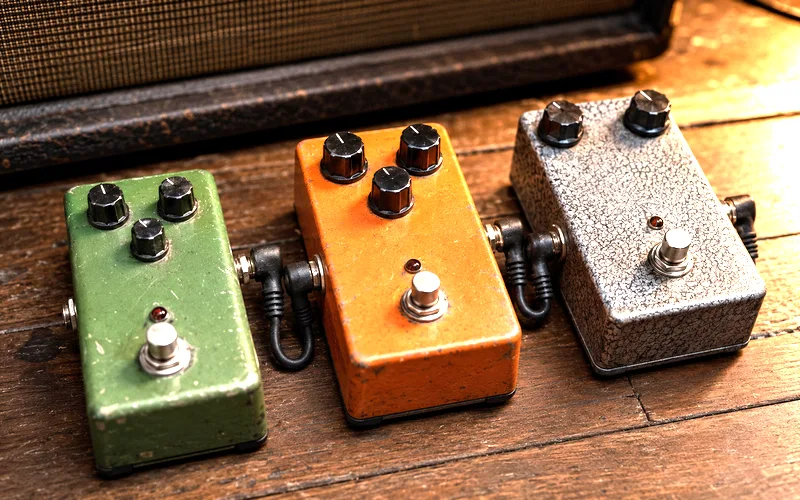
Fuzz pedals produce the most extreme form of clipping, creating a thick, woolly, harmonically rich distortion that sounds nothing like a natural amp. The Electro-Harmonix Big Muff Pi and various Fuzz Face circuit clones define the category.
Jimi Hendrix and David Gilmour built iconic sounds around fuzz pedals that remain instantly recognizable decades later.
Many players stack multiple gain pedals, running a lower-gain overdrive into a higher-gain distortion for wider saturation range. Stacking order and individual gain levels dramatically affect the resulting tone.
Delay pedals capture your guitar signal and replay it after a set interval, creating echoes that range from subtle slapback to cascading ambient washes. The three main types are analog, digital, and tape-emulation.
Analog delay circuits (like the MXR Carbon Copy and Boss DM-2W) produce warm, slightly degraded repeats that sit behind the original signal without competing with it. Digital delays (like the Boss DD-8 and TC Electronic Flashback) deliver crystal-clear repeats with more precise control over timing and feedback parameters.
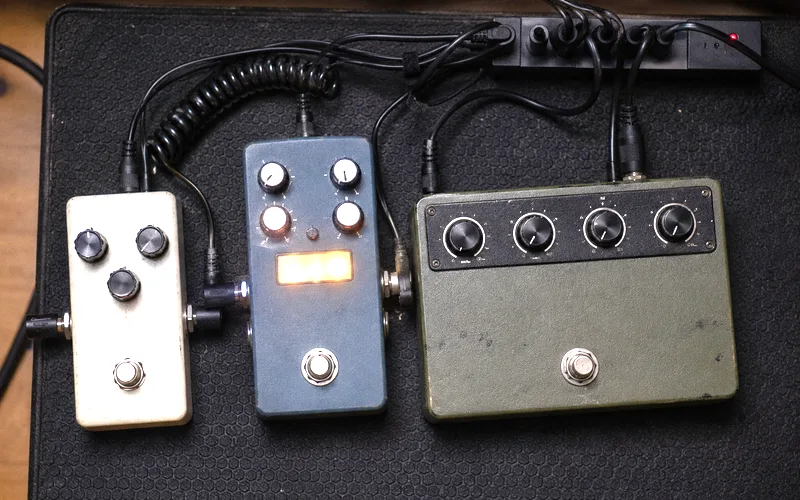
For a deep dive into the sonic differences and best options, read our best delay pedals guide.
Tap tempo, which lets you match delay time to song tempo by tapping a footswitch, has become essential for live performance. Multi-mode delay pedals offering analog, digital, tape, and reverse algorithms in one enclosure have largely replaced single-algorithm designs.
Reverb simulates the natural reflections of sound within a physical space. It transforms a dry, close-miked guitar signal into something that sounds like it exists within a room, hall, cathedral, or plate.
Spring reverb delivers the dripping, splashy sound associated with surf rock and vintage Fender amps. Hall reverb creates a sense of vast, open space that works beautifully under sustained chords and ambient playing.
Plate reverb provides smooth, dense decay that sits elegantly behind the original signal without washing out note definition.
Shimmer reverb, a more recent innovation, adds octave-shifted overtones to the reverb tail. It creates ethereal, synth-like textures that have become a staple of ambient and post-rock guitar music.
Pedals like the Strymon BigSky, Walrus Audio Slo, and EarthQuaker Devices Afterneath have expanded what reverb can do far beyond simple room simulation.
Modulation pedals alter the pitch, timing, or amplitude of your signal to create movement and texture. Chorus, phaser, flanger, and tremolo are the four primary modulation types.
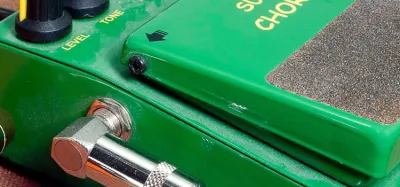
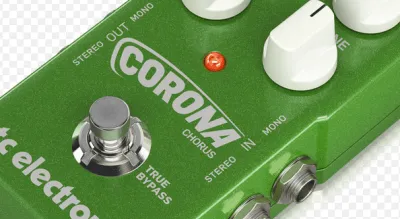
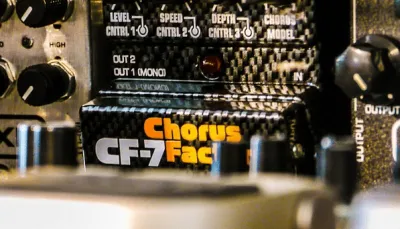
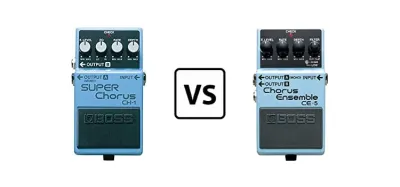
Chorus splits your signal and slightly detunes the copy, then blends it back with the original to produce a shimmering, doubled effect. The Boss CE-2W and Electro-Harmonix Small Clone deliver this sound in its purest form.
Phaser sweeps a series of notch filters across your frequency range, creating a swirling, jet-like movement popularized by Eddie Van Halen's use of the MXR Phase 90.
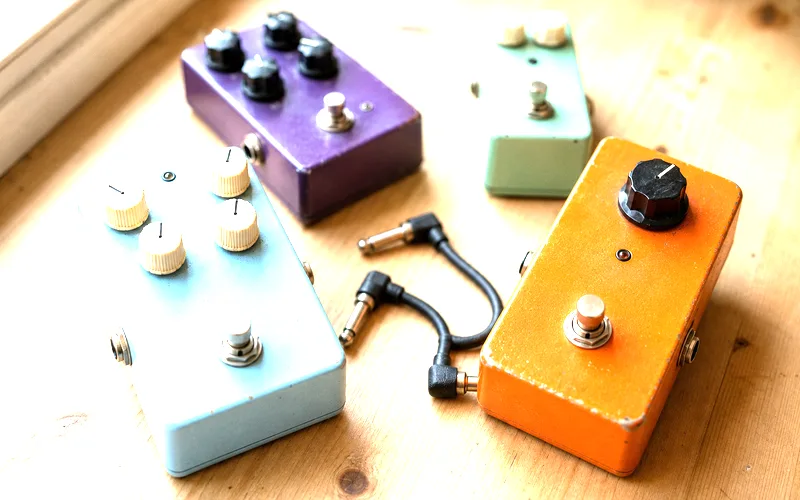
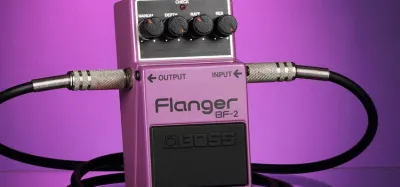
Flanger produces a more dramatic version of chorus with metallic, swooshing textures. Tremolo rapidly pulses your volume up and down, adding rhythmic movement that defined early rock and roll and surf guitar.
Vibrato, rotary speaker simulation (often called Leslie effect), and uni-vibe effects also fall under the modulation umbrella. Each creates its own flavor of movement that can transform a static guitar tone into something hypnotic and alive.
A compressor pedal reduces the dynamic range of your signal by attenuating loud peaks and boosting quieter notes. The result is a more even, sustained, polished tone that sits consistently in a band mix.
Country and funk players rely heavily on compressors for the snappy, punchy attack they add to clean playing. Rock and metal players use them to tighten their distorted tone and add sustain.
The Keeley Compressor Plus, Wampler Ego, and Boss CS-3 represent the category well across different price points.
Compression is one of those effects you don't notice when it's set correctly. A well-dialed compressor evens out arpeggio volume from string to string, adds bloom to sustained notes, and prevents volume spikes from aggressive picking.
Crank the threshold too low or the ratio too high, though, and you lose all dynamics. You end up with a flat, lifeless tone that sounds like it's being squeezed through a straw.
Many players run their compressor as an always-on effect that subtly enhances the entire chain. Others engage it selectively for clean sections and bypass it for overdriven passages where natural dynamics are part of the expression.
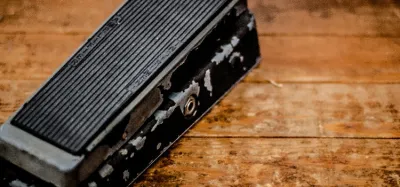
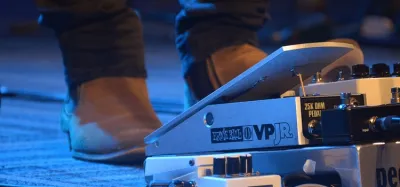
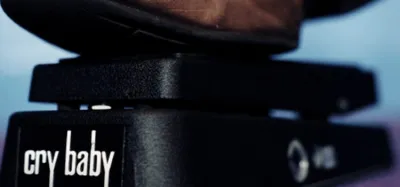
The wah pedal is a foot-rocked bandpass filter that sweeps the emphasis point across your frequency range as you move the treadle. The Dunlop Cry Baby and Vox V847 define the sound that Jimi Hendrix, Eric Clapton, and Kirk Hammett made famous.
Auto-wah and envelope filter pedals produce a similar sweep triggered by your picking dynamics instead of foot movement. Funk guitarists favor envelope filters for the quacky, percussive sound that locks into rhythmic grooves without requiring constant foot control.
The Mu-Tron III, originally produced in the 1970s, set the standard for envelope filter design that countless modern pedals still reference. Modern recreations from DOD and Electro-Harmonix capture that classic funk tone at more accessible price points.
Fixed wah pedals, sometimes called cocked-wah, park the filter at a specific frequency to add a nasal, focused character to the guitar tone. This technique became popular with Michael Schenker and Mark Knopfler, who used partially engaged wah pedals as tone-shaping tools rather than dynamic effects.
Nobody gets excited about a tuner pedal, but it's the most essential item on any board. The Boss TU-3 and TC Electronic PolyTune are industry standards, offering accurate chromatic tuning that mutes your signal while you tune.
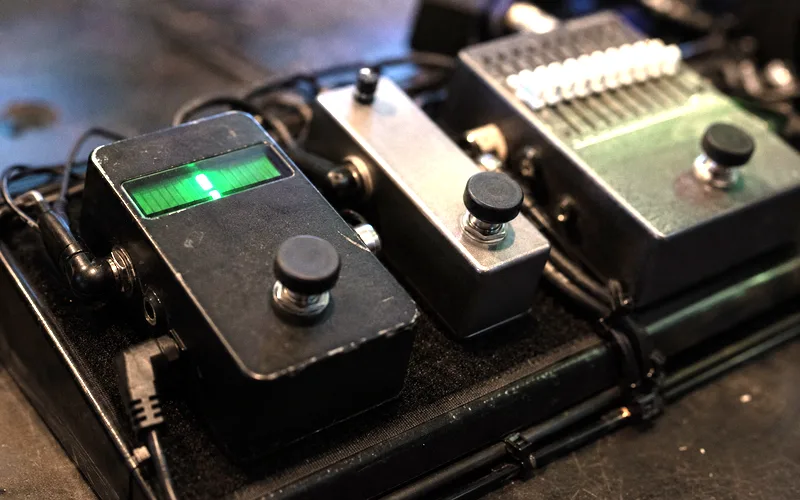
Noise gates, EQ pedals, and volume pedals also fall into the utility category. A noise gate eliminates unwanted hum and buzz between notes, which becomes critical for high-gain setups.
An EQ pedal lets you sculpt your frequency response beyond what your amp controls offer. Understanding where to place your volume pedal in the signal chain gives you control over your overall level without affecting your gain structure.
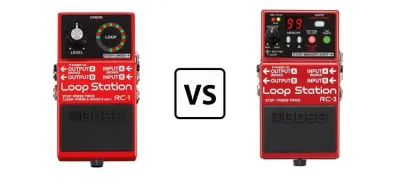
Looper pedals record a segment of your playing and replay it continuously so you can layer additional parts on top. They are the single most effective practice tool a guitarist can own.
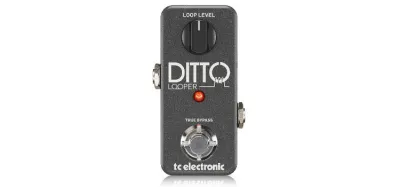
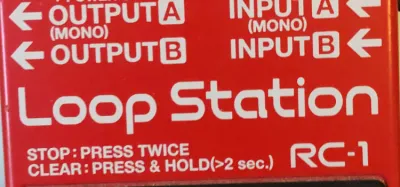
A basic looper like the Boss RC-1 or TC Electronic Ditto records a single loop you can overdub and undo. Advanced units like the Boss RC-5 and Line 6 HX Stomp offer multiple loop tracks, quantization, rhythm guides, and MIDI sync.
For practicing, a looper reveals weaknesses in your timing and phrasing that you cannot hear when playing alone. Record a rhythm part, loop it, and play lead over it.
You'll immediately hear whether your rhythm playing is tight enough to groove against or whether timing inconsistencies make the loop feel unstable.
Looper placement in the signal chain matters. Most players place the looper at the very end of the chain, after all effects.
This captures the fully processed signal and replays it exactly as recorded. Placing it earlier means effects after the looper process both the live signal and the looped playback, which can create interesting textures but makes precise overdubbing more difficult.
The standard order runs tuner, wah, compressor, gain, modulation, delay, then reverb. Each effect sits where it receives the cleanest version of the signal it needs.
Pedal order between guitar and amp has a massive impact on how each effect interacts with the others. Get the sequence wrong and you end up with mud, noise, and artifacts that no amount of tweaking can fix.
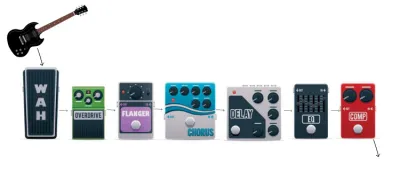
From guitar to amp input, the widely accepted sequence is: tuner, wah/filter, compressor, overdrive/distortion, modulation (chorus, phaser, flanger), delay, and reverb. This ensures each effect processes the cleanest possible version of your signal.
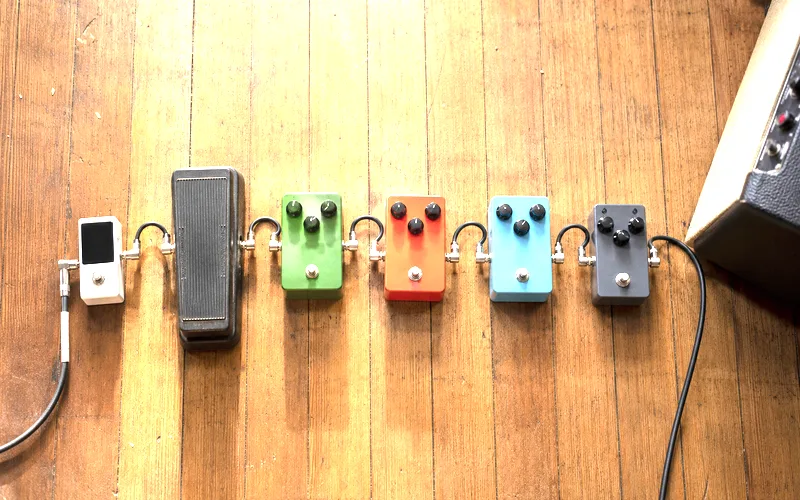
Placing a compressor before your gain pedals evens out your dynamics before they hit the overdrive, resulting in a tighter, more consistent distortion. Putting modulation after gain means the chorus or phaser affects the entire overdriven signal rather than being distorted itself.
Running delay and reverb last ensures they process the full, shaped signal and add space without getting smeared by downstream effects.
If your amp has an effects loop, modulation, delay, and reverb often sound better routed through it. The loop sits between preamp and power amp stages, so time-based effects process the signal after the preamp has shaped tone and gain.
Rules are meant to be broken in creative ways. Placing a fuzz pedal before a wah creates a different texture than putting the wah first.
Running reverb into distortion produces experimental, shoegaze-style wash. Once you understand the standard order and why it works, you can make informed decisions about when to deviate from it for specific creative purposes.
True bypass removes the pedal circuit completely when disengaged, while buffered bypass keeps an active buffer in the signal path to prevent treble loss on longer cable runs.
Every pedal uses one of these two switching methods. True bypass connects your signal directly to the output when off, removing the circuit from the path entirely.
Buffered bypass routes the signal through an active buffer circuit even when the pedal is disengaged.
True bypass sounds like it should always win, but large boards with many true bypass pedals cause treble loss because the unbuffered signal degrades over distance. A single buffered pedal early in the chain, like a Boss tuner, restores signal strength and preserves highs across the entire board.
The practical advice is straightforward. If you use fewer than four or five pedals with short cable runs, true bypass works fine.
If you run a larger board with long total cable length, include at least one buffered pedal near the beginning of the chain to maintain signal integrity. Many players combine both types without issues and never think about it again.
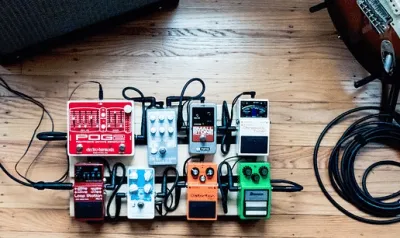
A proper pedalboard needs three essentials: a board that fits your pedals with room to grow, an isolated power supply, and quality patch cables.
A well-organized pedalboard turns loose pedals into a reliable, portable system. Throwing them on the floor with tangled cables and daisy-chained power is a recipe for noise and mid-gig disasters.
Start with a board that fits your current pedal count plus room for future additions. Pedaltrain, Rockboard, and Donner make quality options at various sizes and prices.
For compact setups, see our recommendations on the best small pedalboard options available.
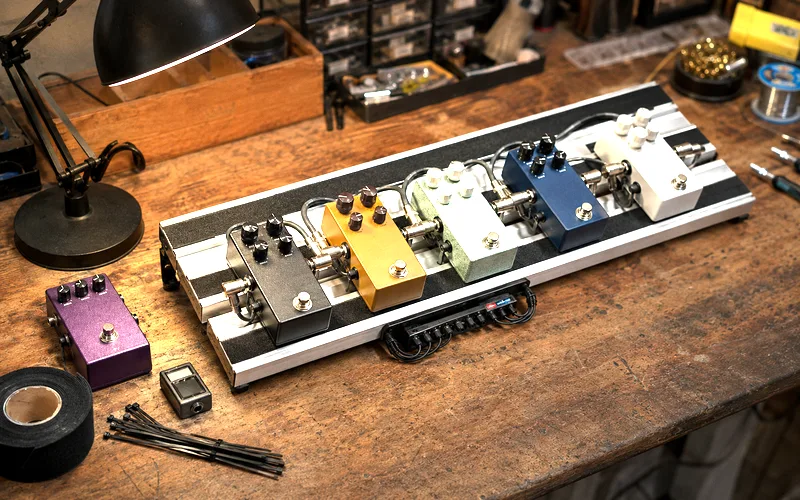
An isolated power supply is the single most important pedalboard accessory. Units from Voodoo Lab, Strymon, Cioks, and Truetone provide individually isolated outputs that eliminate ground loop hum and prevent one noisy pedal from contaminating the chain.
A cheap daisy-chain adapter might save $100 upfront, but the buzzing and humming it introduces makes your entire rig sound amateur.
Use quality patch cables with low-profile right-angle connectors to link your pedals. Soldered cables from brands like Evidence Audio and Lava Cable offer the most reliable connections.
Solderless cable kits from Lava and George L's let you cut custom lengths to minimize cable clutter and signal loss.
Mount pedals with Velcro (hook side on board, loop side on pedal) for secure attachment that allows easy rearrangement. Route cables underneath through the platform slots to keep the top surface clean.
Take a photo of your signal chain routing before each gig so you can troubleshoot quickly if something stops working.
Plan your layout so pedals you adjust frequently sit within easy foot reach. Tuners and always-on effects go at the edges.
Gain pedals and your most-used effects belong front and center where you can stomp them without looking down.
Power supply sizing requires attention to both voltage and current draw. Most standard guitar pedals run on 9 volts DC at under 100 milliamps.
High-current digital pedals like the Strymon Timeline or Boss DD-500 draw 250 to 500 milliamps each. A supply output delivering less current than the pedal demands causes malfunctions, audio dropouts, or failure to power on.
Some pedals require voltages other than the standard 9V. Certain vintage-style fuzz circuits run on lower voltages for a spongier, more compressed sound.
A few modern digital units need 12V or 18V inputs. Check the requirements printed on each pedal before selecting your supply, and make sure every output matches the voltage and current needs of the connected pedal.
Most guitarists need three to five pedals to cover their core sounds. A tuner, one gain pedal, and a single time-based effect handle the majority of musical situations.
Add a compressor and a modulation pedal once your playing demands more texture. Beyond five or six, every addition should solve a specific problem rather than just filling an empty spot on the board.
The analog versus digital debate has been raging in guitar circles for decades, but honestly, 2026 is the year it mostly ran out of steam. Digital modeling and profiling technology has reached a point where even seasoned professionals can't reliably tell modeled tones from the originals in blind tests.
The Neural DSP Quad Cortex and Kemper Profiler have replaced backline tube amps for arena-level artists. Strymon, Empress Effects, and Source Audio produce digital pedals matching or exceeding analog counterparts while adding presets, MIDI control, and stereo operation.
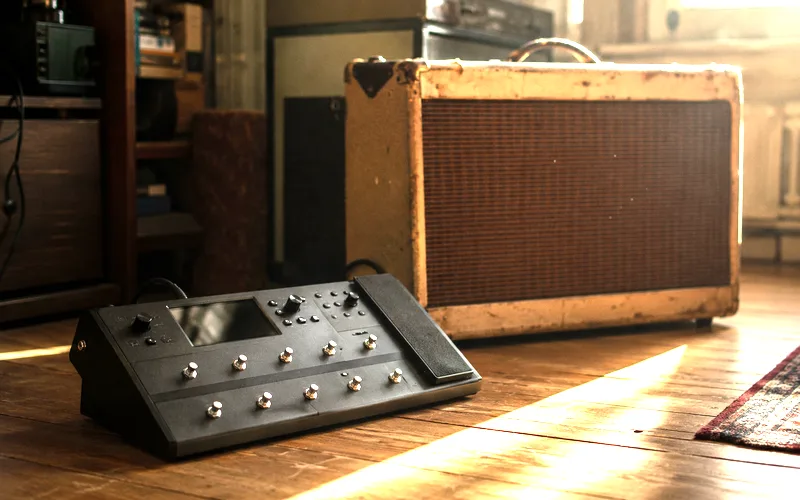
Analog gear still appeals to players who value simplicity, tactile interaction, and the feel of tube amps responding to picking dynamics. There's a psychological dimension to plugging into a real tube amp that some players find irreplaceable, no matter how close digital gets.
For most players, the practical answer is somewhere in the middle. A quality modeling amp or profiler handles the heavy lifting for versatility and convenience, while a few favorite analog pedals, maybe a specific overdrive or fuzz, add character you've bonded with over years of playing.
Cost, weight, and noise floor all favor digital solutions. A single Quad Cortex replaces thousands of dollars in amps and pedals, weighs four pounds, and generates zero tube noise or ground loop hum.
For a working musician who plays different styles nightly, the practical advantages are overwhelming.
Recording changes the equation further in digital's favor. A modeling amp or profiler connected directly to an audio interface via USB or XLR eliminates the need for microphones, mic preamps, and acoustically treated recording spaces.
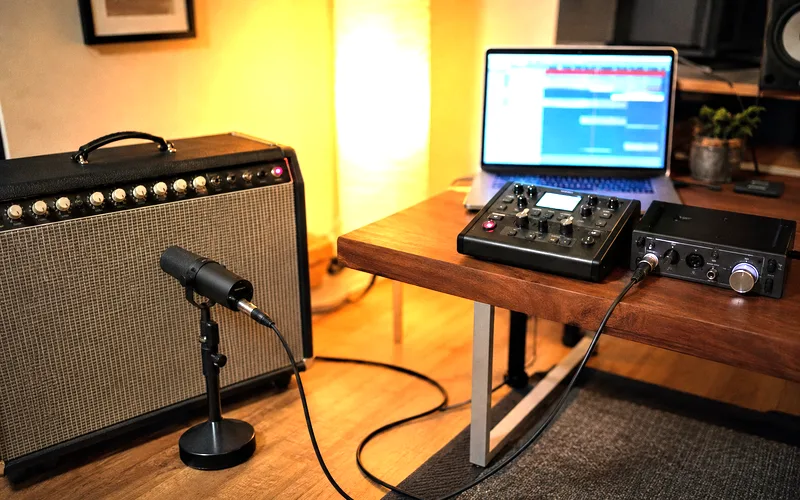
You get consistent, repeatable tones at any hour without waking up the household or dealing with the room acoustics that make miking a tube amp in a bedroom so unpredictable.
Live performance is where analog holds a slight edge. The interaction between a tube power amp, a speaker moving air, and the feedback loop between amp and guitar creates a physical experience digital rigs haven't fully replicated.
You feel a tube amp in your chest. You hear a digital amp in your ears.
The most reliable amp brands are Fender, Marshall, Vox, Mesa Boogie, and Boss. For pedals, Boss, Strymon, MXR, and Electro-Harmonix deliver consistently across every price tier.
The market includes hundreds of manufacturers, from multinationals to one-person garage operations. Knowing which brands consistently deliver saves you from expensive experiments with unreliable gear.
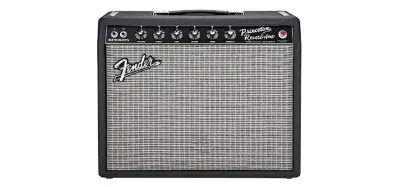
Fender has defined the clean guitar amp sound for over 70 years. Their Deluxe Reverb, Twin Reverb, and Princeton Reverb remain the benchmarks against which all clean amps are measured.
The Tone Master series brings their classic circuits into the digital modeling era with surprisingly authentic results.
Marshall owns the rock amp category with designs powering everything from classic blues to thrash metal. Their JCM800, DSL, and Origin lines cover different gain levels while maintaining the crunchy British midrange character the brand is known for.
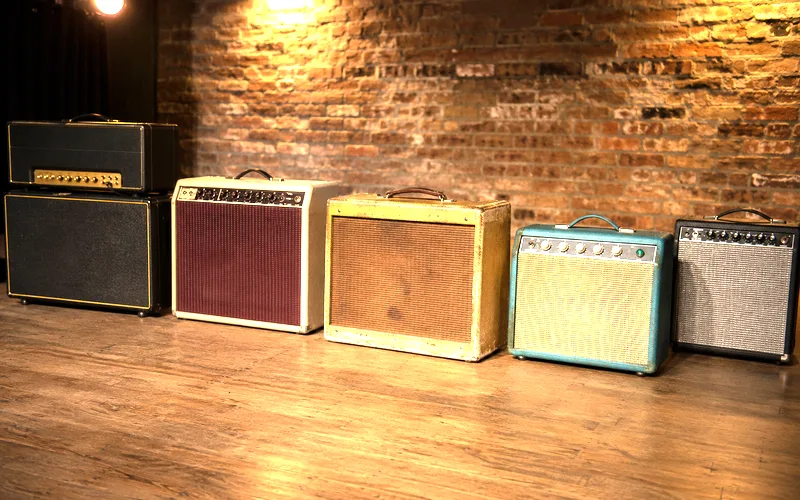
Vox delivers chimey, harmonically complex tones that sit between Fender sparkle and Marshall grit. The AC15 and AC30 remain first-call amps for indie, alternative, and jangle pop guitarists.
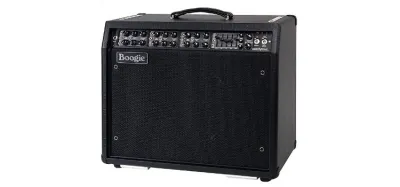
Mesa Boogie builds some of the most versatile high-gain amplifiers available. The Mark V offers three fully independent channels that cover clean, crunch, and face-melting lead tones.
Boss and Fender dominate the modeling amp category. Orange, Blackstar, PRS, and Friedman fill niches with designs that have earned devoted followings among players valuing distinctive voicing.
Boss, a division of Roland Corporation, has been the largest guitar pedal manufacturer in the world for decades, and there's a reason for that. Their compact format, bombproof construction, and reliable buffered bypass circuit have made models like the DS-1, BD-2 Blues Driver, DD-8, and TU-3 tuner the most widely used pedals on the planet.
Strymon produces premium digital effects that set the standard for reverb, delay, and modulation quality. Their Timeline, BigSky, and Mobius pedals are fixtures on professional pedalboards worldwide.
Eventide competes in the same tier with the H9 Max and newer H90 multi-effects processor.
EarthQuaker Devices, JHS Pedals, and Walrus Audio represent the boutique pedal scene at its best, offering creative circuit designs with distinctive visual aesthetics. MXR and Electro-Harmonix bridge the gap between mass-market reliability and distinctive character, with classic designs that have remained in production for decades because they simply work.
TC Electronic deserves mention for TonePrint technology, which lets players beam custom effect settings from professional artists directly into their pedals via smartphone. This gives you dozens of pedal voices in a single enclosure at a budget-friendly price.
Budget-level brands have disrupted the pedal market in recent years. JHS with their affordable 3-Series line and Donner with full-featured mini pedals under $40 have proven great tone no longer requires a premium price.
Chase Bliss Audio occupies the opposite extreme, building handmade analog pedals with digital control that sell for $300 to $500. They attract players willing to pay for one-of-a-kind sonic flexibility.
When evaluating any brand, reliability matters as much as tone. A pedal that sounds incredible but dies mid-gig costs more in reputation damage than it saved in purchase price.
Established brands with proven track records and responsive customer service, like Boss, MXR, and Electro-Harmonix, reduce that risk significantly.
Spend the majority of your budget on the amplifier. It shapes your core tone more than any individual pedal can.
Great tone doesn't require spending thousands of dollars. The current guitar gear market offers playable, professional-sounding options at every price level.
Smart spending prioritizes the components that affect your sound the most.
| Budget Tier | Amp Recommendation | Pedal Strategy | Total Investment |
|---|---|---|---|
| Starter ($200–$400) | Boss Katana 50 MkII or Fender Mustang LT25 | Built-in effects, add a tuner pedal | $250–$400 |
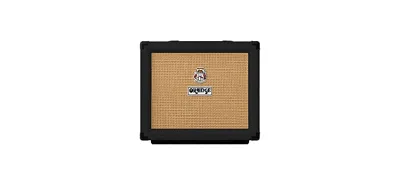
| Intermediate ($500–$1,000) | Fender Blues Junior IV or Orange Crush Pro 60 | Tuner + overdrive + delay | $600–$1,000 |
| Advanced ($1,000–$2,500) | Fender Deluxe Reverb or Marshall DSL40CR | 5–6 pedals with isolated power supply | $1,500–$2,500 |
| Professional ($2,500+) | Kemper/Quad Cortex or boutique tube amp | Curated board with premium effects | $3,000+ |
At the starter level, a modeling amp with built-in effects eliminates the need for separate pedals entirely. The Boss Katana 50 MkII sounds good enough to record with and loud enough to play small gigs, all for around $250.
A clip-on tuner handles tuning for $15 until you are ready to invest in a pedalboard tuner.
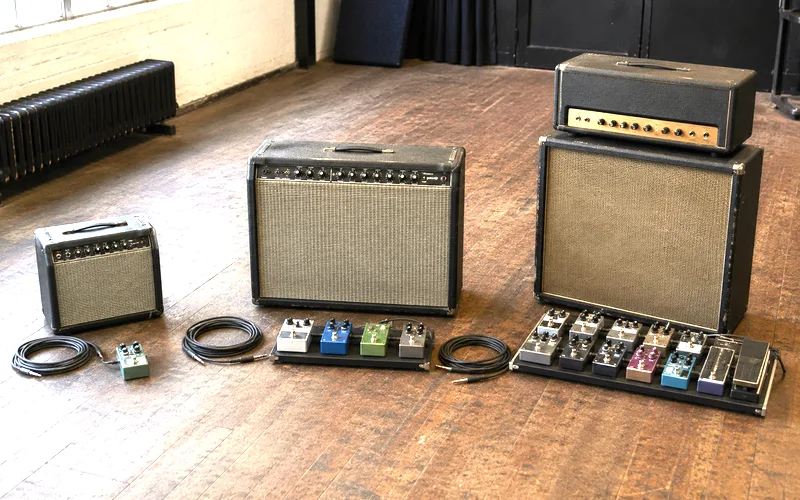
Intermediate players get the most value from investing in a quality amp first, then adding pedals strategically. A single good overdrive and a delay or reverb cover an enormous range of sounds when paired with a responsive amp.
Spend 60 percent of your budget on the amp and 40 percent on pedals.
Advanced and professional players have the luxury of chasing specific tones with specialized gear. At this level, the law of diminishing returns kicks in hard.
A $200 boutique overdrive may sound five percent better than a $50 Boss pedal, but that marginal improvement matters to players who have refined their ears enough to hear it.
Used gear from reputable sellers offers another path to great tone. A used Boss Katana, Fender Blues Junior, or Tube Screamer plays identically to new at 40 to 60 percent of retail.
Guitar pedals in particular hold up exceptionally well over time because they contain simple, robust circuits with minimal moving parts.
Some mistakes are so common among guitarists that they've basically become rites of passage. Learning what they are lets you skip the frustrating trial-and-error phase that wastes both time and money.
Running too much gain. Beginners crank the gain knob to maximum expecting heavier tone.
In reality, excessive gain reduces note clarity, mushes chords into noise, and eliminates the dynamic range that makes playing expressive.
Most professional rock tones use far less gain than you would expect. Back it off until individual notes ring clearly within a chord, then stop.
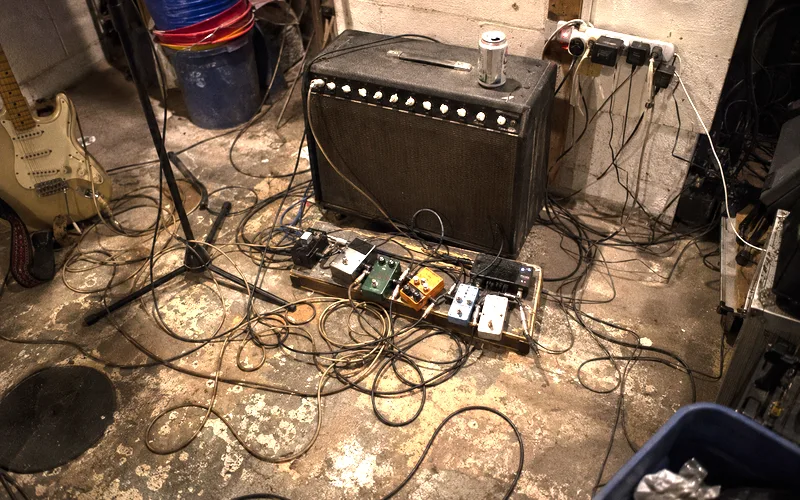
Ignoring the tone knob on your guitar. Your guitar's volume and tone knobs interact with pedals and amp in ways that dramatically change your sound.
Rolling the tone knob back slightly can warm up a harsh overdrive or tame an ice-pick treble that pierces through a mix.
Buying pedals before learning your amp. Your amp has a wider tonal range than most beginners realize.
Explore every combination of gain, EQ, and volume controls before deciding you need a pedal to fill a gap.
Many players own $500 worth of pedals they rarely use because their amp already produces the sounds they were chasing.
Using cheap power supplies. A $10 daisy-chain power adapter introduces ground loop noise that degrades every pedal in the chain.
An isolated power supply costs $80 to $150 and eliminates hum, buzz, and interference that makes your rig sound unprofessional.
Putting effects in the wrong order. Running a delay pedal before a distortion pedal produces a noisy, chaotic mess where each echo gets individually distorted.
Running reverb before gain creates washy, undefined mud.
The standard signal chain order exists for good reason. Deviating from it should be an intentional creative choice rather than an accident.
Neglecting cables. A cheap cable with poor shielding introduces radio interference, treble loss, and intermittent dropouts.
Quality shielded cables from Mogami, Planet Waves, or Hosa prevent noise problems that no amount of pedal tweaking can solve.
Scooping all the midrange. New players often cut the mids and boost bass and treble because it sounds impressive when playing alone in a room.
In a band mix, scooped mids make the guitar disappear completely.
Drums, bass, and vocals fill the low and high frequencies. The midrange is where the guitar lives in a mix, and cutting it removes the very frequencies that let your instrument be heard.
Chasing someone else's exact tone. You can buy the exact same guitar, amp, and pedals as your favorite player and still not sound like them.
Their tone comes from their fingers, their picking attack, their vibrato, and decades of muscle memory.
Use their rig as a starting point, but invest your time developing your own sound rather than trying to replicate someone else's note for note.
Skipping the effects loop. If your amp has a dedicated effects loop and you're running time-based effects like delay and reverb in front of the amp, you're leaving cleaner, more defined repeats on the table.
The effects loop processes your signal after the preamp gain stage, so your delay echoes stay clean and articulate even when the preamp is pushing hard into overdrive.
A little maintenance goes a long way toward keeping your gear sounding right for years. Neglected equipment develops problems gradually, and you often won't notice the degradation until your tone has drifted way off from where it started.
Tube amp maintenance. Power tubes typically last 1,000 to 2,000 hours of playing time.
Preamp tubes last significantly longer, often five to ten years under normal use.
Signs that your tubes need replacing include reduced volume, muddy low end, excessive noise, or visible blue arcing inside the tube glass.
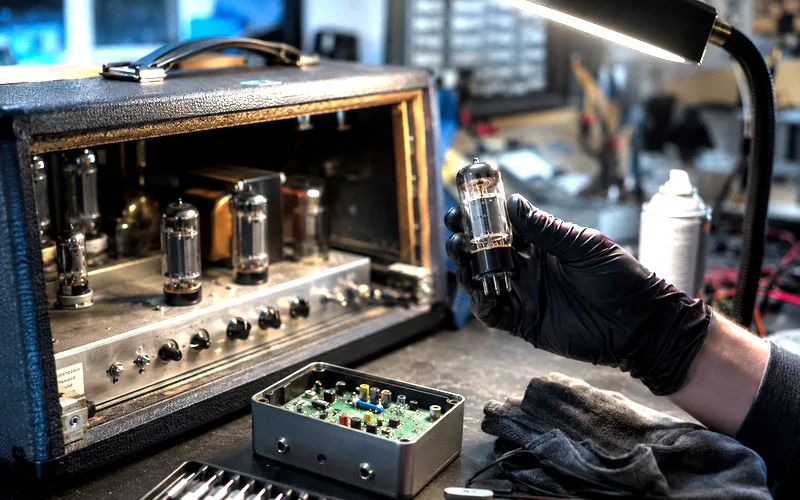
Always let a tube amp warm up on standby for 30 to 60 seconds before switching to the play position. When you finish playing, switch back to standby before powering off completely.
This process extends tube life by preventing thermal shock to the filaments.
Pedal maintenance. Clean pedal enclosures and jacks with contact cleaner spray every six months.
Oxidized jacks cause crackling, signal dropouts, and increased noise floor.
Pull the batteries out of pedals you aren't using regularly to prevent corrosion from leaking cells.
Cable care. Coil cables loosely in large loops rather than wrapping them tightly around your hand.
Tight wrapping stresses the internal conductor at the plug junction and eventually causes intermittent connections.
Store cables in a dry environment away from extreme temperatures.
Firmware updates. Digital amps and pedals from Boss, Line 6, Neural DSP, and Strymon receive firmware updates that add features, improve amp models, and fix bugs.
Check for updates quarterly to keep your gear performing at its best.
Skipping updates means missing out on improvements the manufacturer has already built and tested.
Speaker care. Avoid storing amps face-down or in positions where objects can press against the speaker cone.
A torn or creased speaker cone alters the frequency response and can produce buzzing or rattling at certain volumes.
Speaker reconing is possible but expensive. Replacement speakers often change the character of the amp significantly.
Environmental protection. Cover your amp with a padded cover when it's not in use, especially in dusty or humid environments.
Dust buildup on tube pins and circuit boards causes intermittent connections, while humidity accelerates component corrosion.
Transport your amp in a case or secure it upright in your vehicle. One bad bump can crack a tube, tear a speaker cone, or loosen solder joints that take hours to diagnose.
For home practice, recording, and small gigs, a quality modeling amp like the Boss Katana 50 or Fender Mustang GTX delivers tones that compete directly with tube amps at a fraction of the cost and weight. The gap between digital and analog has narrowed to the point where most listeners cannot hear the difference in a recorded mix.
Tube amps still offer a tactile playing experience that many guitarists find more inspiring and responsive to touch dynamics. If you play live regularly and value that feel under your fingers, a tube amp remains a worthwhile investment.
A chromatic tuner pedal should be your first purchase because accurate tuning is non-negotiable. A versatile overdrive pedal like the Boss BD-2 Blues Driver or Ibanez Tube Screamer Mini expands your gain range beyond what your amp offers.
A delay or reverb pedal adds depth and space that transforms the simplest playing into something that sounds finished and professional.
For tube amps, 15 to 30 watts handles most small to medium venue gigs without PA support. Tube watts are significantly louder than solid-state watts due to the harmonic content and compression characteristics of tube circuits.
For solid-state or modeling amps, 50 to 100 watts provides equivalent stage volume for unmiked performance.
Boutique pedals offer specific tonal characteristics, premium components, and hand-assembled construction that mass-market pedals do not always match. However, the sonic difference is often subtle enough that only experienced ears can detect it.
Start with affordable options from Boss, MXR, or TC Electronic, learn what your ears prefer, then invest in boutique alternatives for the one or two effects that matter most to your sound.
Yes, and many players do. Modeling amps generally accept external pedals well, especially when you use the amp's clean channel as a neutral platform.
Overdrive and distortion pedals paired with a modeling amp's clean setting often produce more natural-feeling gain than the amp's built-in drive models. Time-based effects like delay and reverb work equally well in front of or through the effects loop of most modeling amps.
Power tubes last 1,000 to 2,000 hours of playing time. That works out to roughly one to three years for gigging musicians, or three to five for bedroom players.
Preamp tubes last considerably longer and typically need replacement only when they become microphonic or develop excessive noise.
Replace tubes in matched pairs or complete sets to maintain balanced performance across the amp circuit.
Overdrive replicates the sound of a tube amp being pushed past its clean threshold, producing warm, dynamic breakup that responds to your picking intensity. Distortion applies harder clipping to the signal for a more aggressive, sustained tone that stays consistent regardless of how hard or soft you play.
Fuzz generates extreme clipping with thick, buzzy, harmonically complex saturation that sounds deliberately artificial and explosive.
Most players start with an overdrive pedal because it integrates naturally with any amp and produces the widest range of usable gain levels. Distortion suits players who need consistent high-gain tone without relying on the amp for breakup.
Fuzz is a specialized effect that excels in specific contexts like psychedelic rock, stoner metal, and blues-rock lead tones.
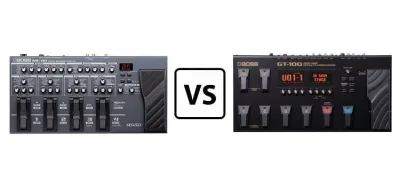
Multi-effects units like the Line 6 HX Stomp, Boss GT-1000, and Neural DSP Nano Cortex pack dozens of effects into one enclosure with preset memory and seamless switching. They cost less than equivalent individual pedals and eliminate pedalboard wiring and power management complexity.
Individual pedals give you tactile control, easier on-the-fly adjustments, and the ability to mix circuits from different builders for a unique sonic fingerprint. Many players start with a multi-effects unit to learn what they actually use, then transition to individual pedals for their favorites.
roundup We rank 7 analog chorus pedals on warmth, control, and value. From the BOSS DC-2W Waza Craft to the EHX Small Clone, find your shimmer.
 roundup
 We rank 5 stereo delay pedals on width, delay engines, looping, and value. From the Source Audio Collider to the budget NUX Duotime, find your echo.
 roundup
 We ranked the 5 best guitar speakers for your amp or cab by tone, power handling, and weight. From the iconic Celestion Vintage 30 to budget 10-inch picks.
 guide
guide Guitar amp hum with nothing plugged in? Learn where that stubborn buzz really comes from, why some amps hum louder than others, and what finally works.
 roundup
 The best guitar amps for low volume playing, tested at bedroom levels. Five picks that sound rich and full long before the neighbors ever notice.
 roundup
 Five fuzz pedals built for stoner rock and doom, rated on gain, midrange voicing, and low-end weight. Find the right Big Muff-style box for thick, sludgy riffs.
 guide
guide Are Fender distortion pedals good? An honest look at how they're built, how they sound, and which models earn a spot on your board, Pugilist to MTG Tube.
 roundup
 We rank the 5 best overdrive pedals for worship guitar by transparency, clean-up, and tube-like response. Find the right drive for ambient pads or driven leads.
 how to
 Learn how to prevent and control guitar amp feedback by adjusting gain, EQ, and amp position, plus how to use noise gates and suppressors to tame the squeal.
 guide
guide 1x12 guitar speaker cabinets give you classic 12-inch tone in a box you can carry one-handed. Learn what the format does well and when to size up.
 roundup
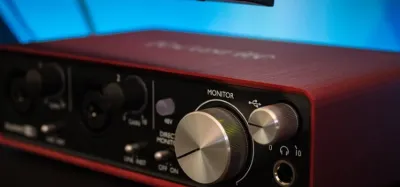
 8 audio interfaces for guitar rated by preamp quality, latency, connectivity, and bundled software. Find the right interface for home recording on Mac or PC.
 roundup
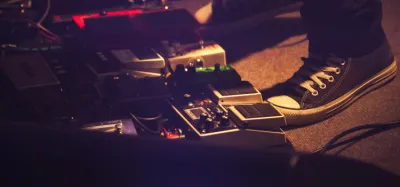
 We compare 6 BOSS delay pedals rated on delay modes, sound quality, looping, and build. Find the right echo for slapback, ambient washes, or warm analog tone.