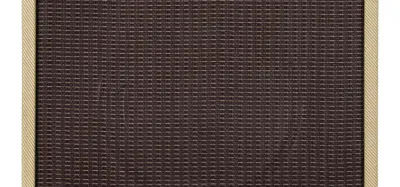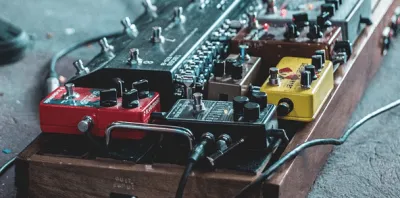
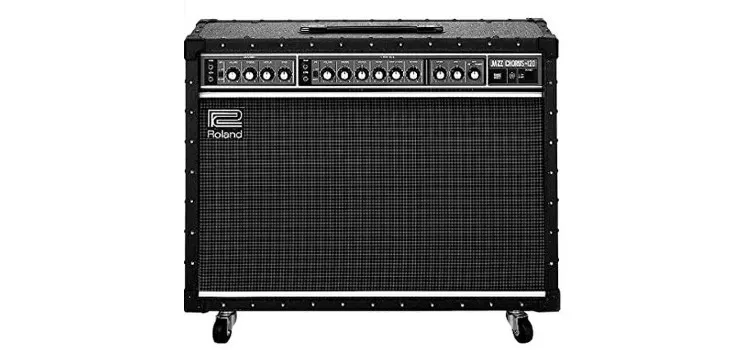
Some players spend years chasing a clean sound the Roland JC-120 has nailed since 1975. The Jazz Chorus has barely changed in all that time, and it never had to.
Plenty of amps chase trends. This one set the bar instead, then let the rest of the field catch up.
The draw is the swirling Dimensional Space Chorus, plus a clean voice that refuses to break up no matter how hard you dig in. That makes it a stage for pedals more than an amp you push on its own.
This review digs into how it sounds, how it’s built, and where it falls short for some players. For more options, see our picks for the best guitar amp, the best clean guitar amps, and the best jazz guitar amp.

Roland JC-120
A 120-watt 2x12 solid-state combo for clean-tone and pedalboard players who want pristine headroom.
Pros
- Pristine JC clean tone at any volume
- Lush stereo Dimensional Space Chorus
- 120 watts with two 12-inch silver cone speakers
- Built-in vibrato, distortion, and spring reverb
Cons
- Little natural overdrive; needs pedals for dirt
- Heavy 2x12 combo at around 60 pounds
- Solid-state voice lacks tube warmth
Sound and Playability
The JC-120 is famous for one thing above all else: the cleanest clean tone in the business. Where a tube amp colors and compresses your signal, the Jazz Chorus stays glassy, transparent, and articulate no matter how hard you dig in or how loud you turn it.
The two 12-inch silver cone speakers deliver a wide, full frequency response with crystalline highs and a tight low end, so chords stay defined and single notes ring out with clarity rather than turning to mush. Because it’s solid-state, there’s virtually no breakup, which is exactly the point: this amp is a blank, pristine canvas.
The headline feature is the built-in stereo chorus, and it’s genuinely magical. Running the Dimensional Space Chorus across both speakers creates a wide, three-dimensional shimmer that has defined countless records across jazz, funk, post-punk, shoegaze, and indie.
Few amps can match that lush, swirling stereo field straight out of the box. The amp also includes built-in vibrato, distortion, and authentic spring reverb, so you can add movement and ambience without a single pedal.
Each of the two channels (Normal and Effect) gives you a three-band EQ plus a bright switch, making it intuitive to dial in everything from a warm jazz tone to a sparkling, scooped clean. It responds honestly to your pick attack and volume knob, which is why so many clean amp devotees swear by it.
Build and Features
This is a road-tested workhorse, and the build reflects decades of refinement. The all-analog circuitry is housed in a solid, roadworthy combo cabinet that has survived years of touring abuse in working rigs worldwide.
There are no tubes to replace, no biasing to worry about, and no fragile glass to rattle loose in a van, which is a big part of why the JC-120 has earned a reputation as one of the most dependable amps ever made. At roughly 60 pounds it’s a substantial two-speaker combo, so it’s no featherweight, but it’s built to last a lifetime.
Key features include:
- 120 watts of solid-state stereo power
- Two 12-inch silver cone speakers
- Two input channels (Normal and Effect)
- Three-band EQ and bright switch on each channel
- Signature Dimensional Space Chorus (stereo)
- Built-in vibrato, distortion, and authentic spring reverb
The genius of the layout is that the chorus and effects feed the stereo speaker pair, which is what produces that unmistakable width. Because the preamp and power section are solid-state, the tone you hear at bedroom volume is the same tone you get at full gig volume, with no need to push the amp hard to make it sing.
That consistency makes the JC-120 a favorite reference for players who need a repeatable, reliable guitar combo amp night after night.
Who It Is For
The JC-120 is aimed at the player who values pristine clean headroom and lush stereo modulation over amp-driven crunch. Jazz players have leaned on it for nearly fifty years, and it’s just as beloved by funk, R&B, indie, shoegaze, and post-punk guitarists who want that wide, chiming chorus as their core sound.
If your tone lives in the clean zone and you build texture from there, this amp was practically designed for you.
It’s also the obvious choice for any pedalboard-driven rig. With so much clean headroom and a famously transparent front end, the JC-120 acts as a pure platform that lets your overdrives, fuzzes, delays, and modulation pedals speak exactly as their makers intended.
If, on the other hand, you want warm tube breakup straight from the amp or rely on natural power-amp distortion, this isn’t your amp. You’ll need pedals or a different design.
Players chasing amp-driven dirt should weigh whether a distortion pedal works as a preamp in front of it, or look at our roundup of the best guitar amp options instead.
Frequently Asked Questions
Is the JC-120 a tube amp?
No. The Roland JC-120 is an all solid-state amplifier, and that’s intentional.
Its design philosophy is to deliver perfectly clean, transparent tone with no tube-style breakup, plus the famous stereo chorus.
The trade-off is that it doesn’t produce natural tube warmth or organic overdrive, but it gains rock-solid reliability and a clean tone that stays consistent at any volume.
Is the Roland JC-120 only good for jazz?
Not at all. The “Jazz Chorus” name and its long history with jazz players is well earned, but the JC-120 is hugely versatile as a clean and effects platform.
It’s a staple in funk, R&B, indie, shoegaze, and post-punk, and many country and pop players use it too. Pair it with the right pedals and it covers far more ground than the name suggests.
It remains one of the best clean guitar amps for almost any style.
Does the JC-120 take pedals well?
Exceptionally well. Its enormous clean headroom and transparent front end make it one of the best pedal platforms ever built.
Overdrive, distortion, fuzz, delay, and modulation pedals all sit cleanly in front of it without the amp coloring them, which is why so many touring rigs are built around a JC-120 and a pedalboard.
Is 120 watts too loud for home use?
It’s more power than a bedroom needs, but it’s still usable at home because the clean tone and chorus sound great even at low volumes. You don’t have to crank it to get its signature sound.
That said, if you only ever play quietly at home, this much amp may be overkill, and a smaller combo could be a more practical fit.
Final Thoughts
The Roland JC-120 Jazz Chorus earns its status as the gold standard for solid-state clean tone. It delivers the pristine, transparent “JC clean” that defined a sound, the lush stereo Dimensional Space Chorus no other amp truly replicates, and 120 watts of bulletproof, never-quit reliability.
It isn’t the amp for built-in tube warmth or natural overdrive, but as a clean platform for pedals and a stage-and-studio workhorse, almost nothing competes. For the player who wants the cleanest cleans and the best chorus on the market, this is the one to get.