 roundup
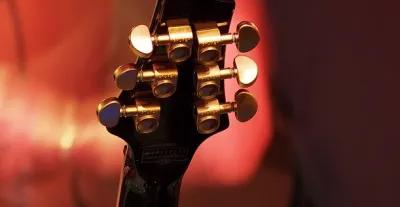
 The 10 Best Locking Tuners in 2026
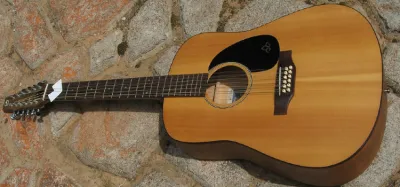
We rank 10 locking tuner sets on tuning stability, gear ratio, and ease of install. From Sperzel to Gotoh, lock your strings in for good.
Honest reviews and guides for the gear that actually matters, from your first tuner to a full gig rig.

We may earn a small commission through links on this page, at no extra cost to you. As an Amazon Associate, we earn from qualifying purchases. Ratings reflect our own editorial evaluation.
Guitar accessories include tuners, strings, picks, capos, straps, cases, cables, pedals, maintenance tools, and practice gear. Every guitarist needs at least a tuner, a set of spare strings, a few picks, and a strap to play comfortably and stay in tune.
On top of the essentials, the right gear protects your instrument, expands your tonal range, and makes practice more productive. A clip-on tuner keeps you pitch-perfect in seconds, and a quality case prevents hundreds of dollars in damage.
This guide breaks down every category of guitar accessories worth owning, explains what separates essential guitar gear from wasted money, and helps you prioritize purchases based on how you actually play.
Before anything else in this guide: a reliable tuner, a capo that doesn't pull your strings sharp, and a cable that won't die mid-song. These are the top picks from our rankings.
| # | Product | Our Rating | ||
|---|---|---|---|---|
| 1 |  | TC Electronic PolyTune 3 | ★★★★★ | Check Price |
| 2 |  | Ernie Ball Axis Dual Radius Capo | ★★★★★ | Check Price |
| 3 |  | Mogami Gold Instrument Cable | ★★★★★ | Check Price |
Dig deeper in our full rankings of the best guitar tuners, best capos, and best guitar cables.
Tuners and capos are the two tuning accessories every guitarist reaches for most often, whether at home or on stage.
Accurate tuning is non-negotiable. Even a $2,000 guitar sounds awful when it drifts a few cents sharp or flat.
The best guitar tuners fall into three main categories: clip-on, pedal, and app-based.
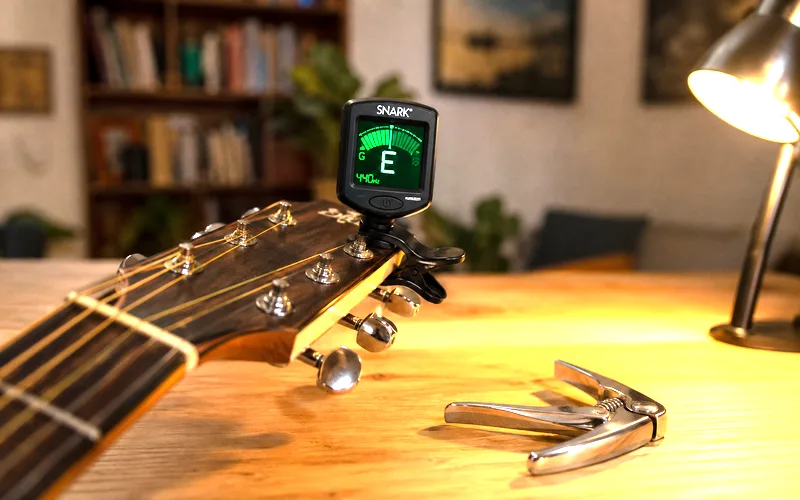
Clip-on tuners attach to the headstock and detect pitch through vibration. They work in noisy environments where microphone-based tuners fail.
Pedal tuners sit on your pedalboard and mute your signal while you tune, making them the standard for live performance.
Phone apps offer a free alternative, but they rely on your phone's microphone. So background noise throws off their accuracy pretty quickly.
For home practice, an app works fine. For rehearsals, gigs, or recording, a dedicated tuner is one of those guitar essentials you shouldn't skip.
A capo clamps across the fretboard to raise the pitch of all six strings at once. It lets you play open chord shapes in any key without learning new fingerings.
Singer-songwriters use capos constantly to match vocal ranges to familiar chord patterns.
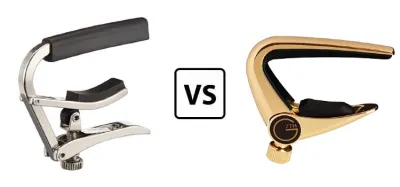
Spring-loaded capos snap on fast, making them a go-to for live players switching keys between songs. Screw-tension models apply more even pressure and cut down on fret buzz, though they take a few extra seconds to dial in.
Choosing the right capo depends on your fretboard radius and how often you reposition it mid-set.
String material, gauge, and coating directly shape your guitar's tone, playability, and how often you'll need to restring.
If there's one accessory that makes the biggest difference, it's your strings. Old ones sound dull, feel rough, and constantly fight your intonation.
Swap in a fresh set and you'll notice more brightness, better sustain, and easier playability within minutes.
Acoustic guitars typically use phosphor bronze or 80/20 bronze strings. Phosphor bronze delivers warmer, mellower tone with longer lifespan.
80/20 bronze sounds brighter out of the package but loses that sparkle faster.
Electric guitar strings come in nickel-plated steel or pure nickel. Nickel-plated steel is the go-to for most players, with balanced output and a bright attack.
Pure nickel rolls off some high-end for a vintage, warmer sound that suits blues and classic rock.
Gauge matters as much as material. Light strings (0.010-0.046) bend easily and feel comfortable for beginners.
Medium strings (0.011-0.052) add volume and fullness at the cost of higher tension. Heavy strings (0.012-0.054 and above) deliver maximum projection and sustain but demand stronger fingers.
Restringing by hand takes a solid 15 to 20 minutes. A string winder cuts that in half by spinning the tuning pegs way faster than your fingers ever could.
Most modern winders include a built-in wire cutter and bridge pin puller.
Motorized winders exist, but a manual one from D'Addario or Planet Waves gets the job done and costs less than a set of strings.
Your pick's thickness and material influence attack, volume, and overall feel more than most beginners expect.
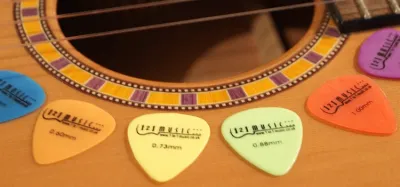
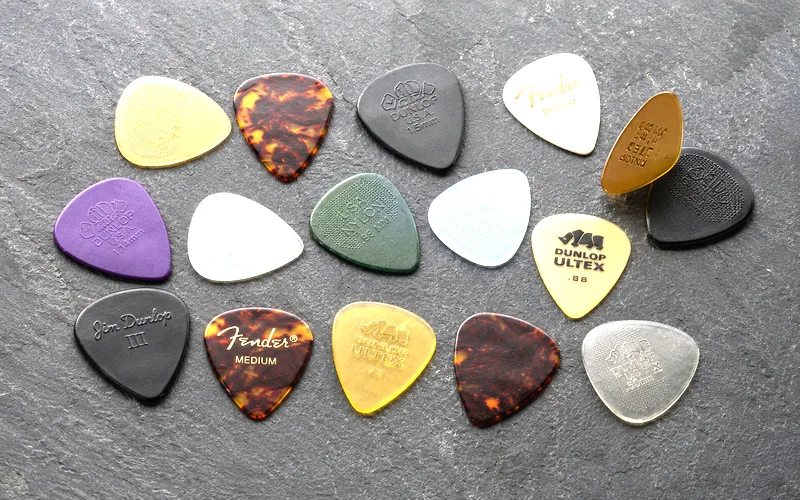
Pick thickness controls attack, flexibility, and volume. Thin picks flex on contact, producing a lighter, brighter strum that works well for acoustic rhythm playing.
They're forgiving, too, since the flex smooths out inconsistencies in your picking motion.
Medium picks (0.71mm to 0.88mm) balance strumming and single-note lines. Most guitarists who play multiple styles settle on a medium pick as their everyday choice.
Heavy picks (0.96mm and above) barely flex at all. That rigidity translates to faster attack, more volume on individual notes, and greater control during lead playing.
You'll find thick picks in the hands of nearly every jazz, metal, and shred player out there.
Nylon picks are the most common and affordable. They produce a warm, rounded tone and come in every thickness.
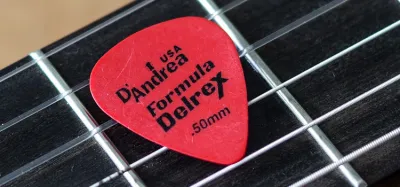
Celluloid picks mimic vintage tortoiseshell with a bright, snappy attack. Delrin and Ultex offer maximum durability and barely wear down over months of heavy use.
Specialty materials like wood, stone, metal, and bone each produce a distinct tonal character. Metal picks add aggressive brightness.
Wood picks soften the attack for a mellow fingerpicking quality. Experimenting costs almost nothing since picks rarely exceed a dollar each.
A well-fitted strap prevents shoulder fatigue during long sessions, and strap locks keep your guitar from hitting the floor.
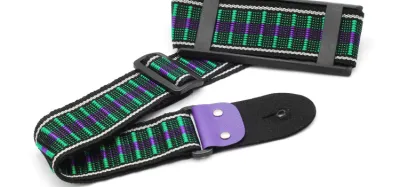
A strap does more than hold your guitar. Width, padding, and material all affect how comfortable you feel during long playing sessions.
Narrow 2-inch straps work for lightweight guitars but dig into your shoulder with heavier instruments. A 3-inch padded strap distributes weight far more evenly, which matters during a two-hour rehearsal or gig.
Leather straps last years and conform to your shoulder over time. Nylon and polyester straps cost less, dry faster, and come in countless designs.
Cotton straps offer natural grip that prevents sliding. Most guitar straps fit any guitar with standard strap buttons, though classical guitars need a headstock tie.
Standard strap buttons hold on through friction alone. And that friction tends to give out at the worst possible moment, like mid-song during an energetic set.
One dropped guitar can crack a headstock, snap a neck, or dent a body beyond affordable repair.
Strap locks replace the factory buttons with a locking mechanism that physically secures the strap. Schaller S-Locks and Dunlop Dual Design are the most popular options.
Rubber strap blocks offer a cheaper alternative that adds grip without replacing hardware.
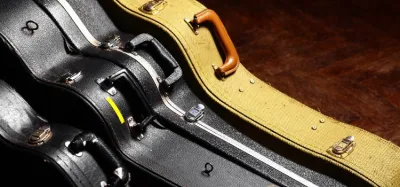
Cases and stands guard against impacts, temperature changes, and the kind of accidental damage that costs hundreds to repair.
Gig bags weigh less, cost less, and include pockets for accessories. Padded gig bags with 20mm or thicker foam protect against minor bumps and weather.
For daily runs to lessons, rehearsals, and local gigs, they're more than enough.
Hard cases offer serious protection for valuable instruments. A molded hard case absorbs drops, resists crushing weight, and shields against temperature swings.
Flying with a guitar demands a TSA-approved hard case at minimum. ATA flight cases add reinforced corners, locking latches, and impact-rated shells built for airline baggage handling.
A good guitar stand pulls double duty. It keeps your guitar safe from falls and puts it right where you can see it, so you're more likely to actually pick it up and play.
Tripod stands offer stability on any surface. A-frame stands fold flat for transport.
Multi-guitar stands hold three to seven instruments in a single rack.
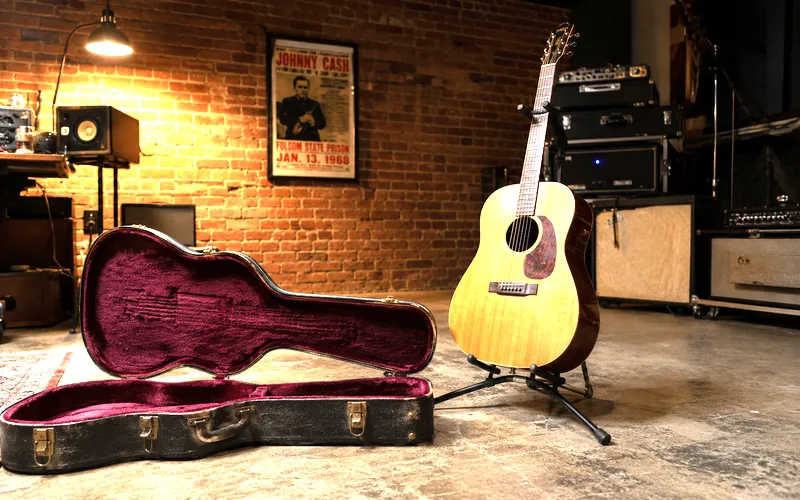
Wall hangers save floor space and double as a display. Auto-grip models lock the headstock securely and release when you lift.
Padded yokes prevent finish damage on nitrocellulose and polyurethane coatings alike.
Your instrument cable is the most overlooked part of your signal chain, and a poor one adds noise that no pedal or amp setting can remove.
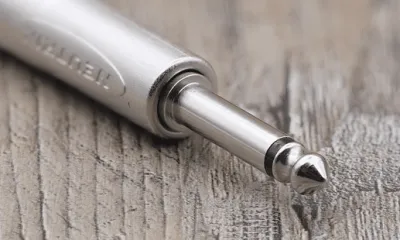
The cable between your guitar and amp carries your entire signal. A cheap cable with poor shielding introduces hum, buzz, and signal loss that no amount of EQ can fix.
Quality instrument cables use oxygen-free copper conductors and braided or spiral shielding to reject electromagnetic interference.
Length affects tone. Longer cables add capacitance, which rolls off high frequencies.
A 10-foot cable works for home practice. A 15 to 20-foot cable suits most stage situations.
Anything beyond 25 feet benefits from a buffer pedal or active signal chain to maintain clarity.
Patch cables connect pedals on your pedalboard. Shorter is better here because every extra inch of cable adds noise and signal degradation.
Pancake-style connectors sit flat against pedal jacks and save space. Solderless patch cable kits let you cut custom lengths for a clean, tight board layout.
A practice amp and a few core pedals open up hundreds of tones, from warm cleans to high-gain distortion, without a massive investment.
A practice amp between 10 and 50 watts handles bedroom playing, apartment jamming, and small rehearsals. Today's modeling amps pack dozens of tones, built-in effects, and Bluetooth into a compact package that costs less than a single boutique pedal.
Solid-state amps need zero maintenance and stay consistent at any volume. Tube amps deliver natural compression and harmonic richness, but you'll need to swap tubes every one to three years.
For most home players, a solid-state or digital modeling amp offers the best value per dollar.
Effects pedals shape your tone beyond what your guitar and amp can produce alone. Overdrive and distortion pedals add gain and saturation.
Delay pedals create repeating echoes. Reverb pedals simulate room ambience.
Chorus, flanger, and phaser pedals modulate your signal for shimmering, sweeping textures.
A pedalboard organizes your pedals into a portable, powered unit. Powered boards include a built-in supply that eliminates daisy-chain noise.
Even a basic unpowered board keeps pedals aligned and cables tidy. Start with a tuner and an overdrive, then add more as your sound develops.
Daisy-chain power cables split a single adapter across multiple pedals. They work but introduce ground loop noise when analog and digital pedals share the same supply.
Isolated power supplies feed each pedal its own clean, filtered current. The upfront cost is higher, but the noise floor drops dramatically.
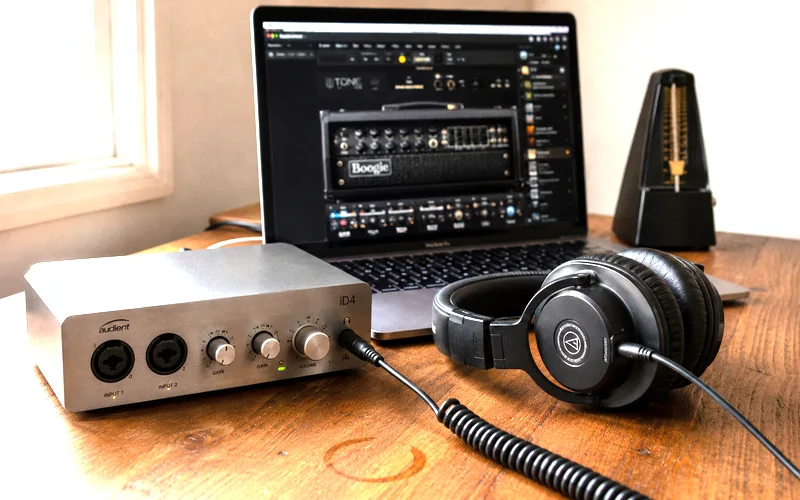
An audio interface, a pair of headphones, and a metronome are all you need to start recording and practicing guitar effectively at home.
An audio interface connects your guitar to a computer for recording, reamping, and using amp simulation software. A basic two-input USB interface handles guitar and a microphone simultaneously.
Focusrite, Universal Audio, and PreSonus make entry-level interfaces that deliver studio-quality conversion for under $200.
Pay attention to latency. The lower it is, the less delay you'll hear between picking a note and hearing it come through your monitors.
Look for interfaces with direct monitoring, which routes your input signal straight to your headphones before the computer processes it.
Closed-back headphones isolate sound and prevent bleed into microphones during recording. They also let you practice at full volume without disturbing anyone in the next room.
Open-back headphones produce a wider, more natural soundstage that suits mixing and critical listening.
For guitar practice and recording, a closed-back pair in the $50 to $150 range covers most needs. Audio-Technica, Beyerdynamic, and Sony all make reliable options at that price point.
Keeping solid time is what separates casual players from real musicians. A metronome forces you to lock into a steady tempo, and over time it builds the internal clock that makes everything you play sound tighter.
Dedicated hardware metronomes offer simple, distraction-free operation. Smartphone apps add features like accent patterns, subdivision options, and speed trainers.
A music stand holds charts, tabs, and lesson materials at eye level instead of hunched over your phone. Height and angle adjust for sitting or standing.
Wire stands fold flat for storage. Solid desk stands work if floor space is limited.
Routine cleaning and proper humidity control prevent the kind of gradual damage that leads to cracked tops, warped necks, and expensive luthier bills.
Sweat, oil, and dust build up on your guitar after every session. A microfiber cloth removes surface grime without scratching the finish.
Guitar polish restores shine on glossy polyurethane and polyester finishes. Avoid silicone-based polishes on nitrocellulose lacquer because silicone can cloud and soften that finish over time.
Fretboard conditioner keeps unfinished rosewood and ebony boards hydrated. Lemon oil or specialized fretboard oil applied two to three times a year prevents cracking and drying.
Maple fretboards with a sealed finish only need a wipe-down since the lacquer already protects the wood.
Solid wood acoustic guitars are vulnerable to humidity changes. When relative humidity drops below 40 percent, the top can crack, frets can sprout from the edges of the neck, and action drops until the strings buzz.
A guitar humidifier maintains moisture levels inside the case during dry winter months or in arid climates.
Soundhole humidifiers sit inside the guitar body and release moisture gradually. Case humidifiers maintain the entire case environment.
Pair a hygrometer with either type to track conditions. Two-way humidity control systems automate the process, keeping levels between the ideal 45 to 55 percent range.
A basic guitar toolkit handles the most common adjustments: truss rod tweaks, action height changes, intonation corrections, and electronics tightening. Hex keys, screwdrivers, feeler gauges, string action rulers, and nut files cover the essentials.
Truss rod adjustments require caution. A quarter-turn at a time, with a day between adjustments, prevents over-correction that could damage the neck.
If you've never adjusted a truss rod, pay for a professional setup first. The $50 to $80 you'll spend teaches you more than any YouTube video.
Wireless systems, hearing protection, and guitar slides are the accessories that make the biggest difference once you start performing live.
Wireless guitar systems replace the cable between your guitar and amp or pedalboard with a radio transmitter and receiver. Modern digital systems deliver latency under 3 milliseconds with a range of 100 feet or more.
The difference on stage is huge. You can move, jump, and walk into the crowd without tripping over cables or yanking your amp off its perch.
Battery life ranges from 6 to 12 hours on most rechargeable systems. Frequency congestion can be an issue in venues with multiple wireless devices.

Systems that auto-scan for clear channels avoid dropouts during performance.
Sustained exposure above 85 decibels causes permanent noise-induced hearing loss. A cranked guitar amp easily exceeds 100 decibels.
Foam earplugs reduce volume but muffle the frequency spectrum unevenly, making everything sound dull. Musician-grade filtered earplugs attenuate all frequencies equally, so music sounds quieter but retains its full tonal character.
Custom-molded earplugs from an audiologist offer the best fit and clarity. Universal-fit options from Etymotic, Earasers, and Crescendo cost less and still outperform generic foam plugs.
Honestly, protecting your hearing might be the single best investment you'll ever make as a musician.
A slide worn on the finger glides across the strings to produce smooth, vocal-like pitch transitions. Glass slides generate a warm, round tone with a softer attack.
Brass and steel slides sound brighter, louder, and more aggressive. Chrome slides sit between the two with balanced warmth and projection.
Slide diameter matters. It needs to fit snugly enough to stay in place but loose enough to slip on and off quickly during songs.
Most players wear the slide on their ring finger or pinky to keep the other fingers free for fretting.
Not every piece of guitar equipment needs to be expensive. Some categories genuinely reward spending more, while others work just as well at budget prices.
| Accessory | Budget Range | Worth Upgrading? | Why |
|---|---|---|---|
| Tuner | $10 – $30 | Not usually | Budget clip-on tuners are accurate enough for most players |
| Strings | $5 – $18 | Yes | Coated strings last 3-5x longer and maintain brightness |
| Picks | $0.25 – $3 | Yes | Premium materials improve grip, consistency, and durability |
| Strap | $10 – $60 | Yes | Wider padding reduces shoulder fatigue significantly |
| Case | $30 – $300 | Yes | Better cases prevent expensive damage during transport |
| Cables | $10 – $50 | Yes | Shielding quality directly affects noise floor and signal clarity |
| Capo | $10 – $40 | Sometimes | Screw-tension models reduce buzz on wider necks |
| Practice Amp | $80 – $350 | Yes | Modeling amps at $200+ include recording features and effects |
| Cleaning Kit | $10 – $30 | Not usually | A microfiber cloth and basic polish handle 90% of cleaning |
| Humidifier | $10 – $50 | Yes (acoustic) | Prevents irreversible wood cracking in dry environments |
Spend more on guitar accessories that protect your instrument or directly affect tone. Cases, strings, and cables fall into that category.
Save on accessories for guitar care where the budget version performs nearly as well, like tuners, cleaning cloths, and basic maintenance tools.
A full starter guitar accessories kit, including a tuner, strings, picks, strap, capo, gig bag, cable, and cleaning cloth, runs between $80 and $150 total. That investment covers every essential for the first year of playing.
What guitar accessories should a beginner buy first?
Start with a tuner, a set of spare strings, a variety pack of picks, and a strap. Add a gig bag or case for transport and a capo if you plan to play songs that require one.
How often should I change guitar strings?
Most players benefit from changing strings every 2 to 4 weeks with regular playing. Coated strings last 3 to 5 times longer, and signs that strings need replacing include dull tone, visible discoloration, rough texture, and difficulty staying in tune.
Are expensive guitar cables worth the money?
Mid-range cables ($20 to $40) offer the best value with quality shielding that eliminates interference and durable connectors that survive years of plugging and unplugging. Ultra-premium cables above $50 rarely deliver audible improvement over a solid mid-range option.
Do I need a hard case or is a gig bag enough?
A padded gig bag handles daily local transport. If you fly, ship your guitar, or play in environments where instruments get bumped and stacked, a hard case is worth the extra weight and cost.
What is the best guitar accessory for improving tone?
Fresh strings produce the biggest tonal improvement for the lowest cost. Beyond strings, a quality cable and proper pickup height adjustment both have a measurable effect on clarity, output, and overall sound quality.
roundup We rank 10 locking tuner sets on tuning stability, gear ratio, and ease of install. From Sperzel to Gotoh, lock your strings in for good.
 roundup
 8 guitar chairs and stools rated on comfort, back support, height adjustment, and stability. Find the right seat for practice, recording, or stage playing.
 comparison
 Nanoweb vs Polyweb: we compare Elixir's two coated string lines head to head and explain when the thinner or thicker coating is the smarter buy.
 roundup
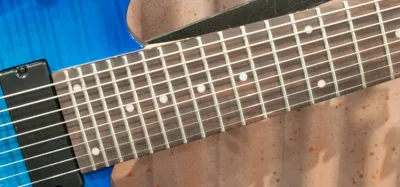
 We tested 5 of the best 8 string guitar string sets, rated on tuning stability, low B tension, and tone for drop tunings and extended range metal.
 roundup
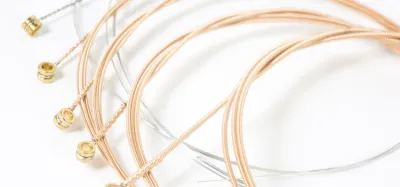
 9 metal guitar strings rated for tone, tuning stability, and durability. Find the right heavy-gauge set for drop tunings, fast riffs, and brutal tone.
 roundup
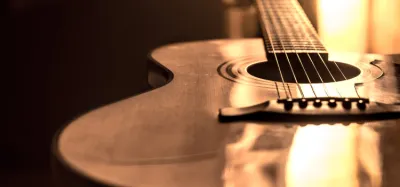
 The best acoustic guitar string brands ranked: 6 makers worth your money, how they differ in feel and tone, and how to narrow the choice to one set.
 guide
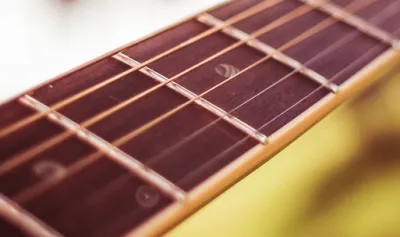
guide Are guitar humidifiers necessary? Learn when dry air becomes dangerous for your guitar, the warning signs to watch for, and the easiest ways to protect it.
 how to
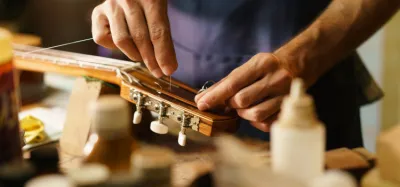
 A broken guitar string is an easy fix you can do at home. Here's how to replace a snapped string, why strings break, and how to keep them from breaking again.
 roundup
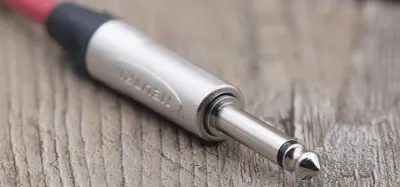
 We tested 7 of the best guitar cables for tone, shielding, and durability, from the legendary Mogami Gold to budget-friendly KLIQ and coiled VOX picks.
 roundup
 Eight wireless guitar systems rated on range, battery life, latency, and tone. Find the right transmitter and receiver for stage, pedalboard, or home practice.
 guide
guide Hand sanitizer isn't a good guitar string cleaner. Learn why, plus the alcohol, polishes, and household options that actually clean strings safely.
 roundup
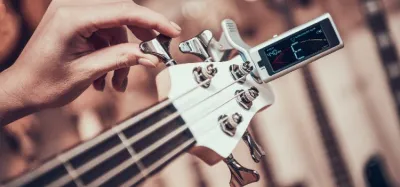
 Six clip-on guitar tuners ranked by tuning accuracy, display visibility, and headstock fit. Find the right chromatic tuner for acoustic, electric, or bass.