The first looper I ever saw was KT Tunstall playing “Black Horse and the Cherry Tree,” building a full arrangement alone on stage. One person, one pedal, and a song that seemed to stack itself in real time.
You don’t need her chops to get something out of one. A looper is just as handy for drilling chord changes at home as it is for fleshing out a solo gig.
This guide breaks the whole thing down in plain terms. We’ll start with the simplest question first: what a loop pedal actually is.
What Is a Loop Pedal?
A loop pedal is a guitar pedal that records and loops audio. It’s used to create the perfect backing track for your song, or simply as an alternative to using a drum machine.
There are many different types of guitar loop station on the market today, but here we focus on one main category: looping guitar effects. These are usually found in the form of stomp boxes and let you record your own backing tracks.
They’re great if you want to play along with a part while recording your own vocals and instruments.
How a Loop Pedal Works Step by Step
Most loopers follow the same basic workflow, even though the number of buttons and features varies from model to model.
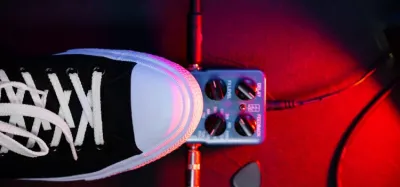
- Record. Press the footswitch and play your phrase. The pedal captures everything from the moment you start to the moment you stop.
- Loop. Press the switch again to close the loop. The pedal immediately plays your phrase back at the same tempo and pitch, on repeat.
- Overdub. Play new parts on top of the running loop. Each pass is layered onto the existing recording, so you can build a chord bed, a bass line, and a lead one layer at a time.
- Stop and clear. Stop playback when you’re done, then clear the memory to start a fresh loop.
Because timing is everything, most players use the looper alongside a metronome or the pedal’s built-in tempo features so each layer lines up cleanly with the last.
Loop Pedal Features to Look For
Loopers range from dead-simple single-button units to multi-track machines. Here are the features you’ll see across different guitar looper pedals:
- Built-in drum kits - some loopers include drum sounds or preset rhythms, letting you build a drum track on the fly.
- Stereo inputs and outputs - includes stereo tracks in and stereo output for a wider sound.
- Memory storage banks - lets you save multiple loops and recall them as needed.
- Digital output - sends a digital signal for cleaner recording and connection.
- Multi-track or multiple-line looping - lets you record several loops and mix them together.
- Serial mode - allows serial looping of phrases one after another.
- Speed control - gives you the ability to adjust the tempo of your loops.
- Reverse option - plays your loops backwards for creative effects.
How Much Do Loop Pedals Cost?
The average price is $100 to $200. If you want to save money, consider buying used.
There are also some good choices under $100, especially among simple single-track loopers aimed at beginners. Spending more mostly buys storage and control: entry-level money gets one track and limited memory, while the upper bracket adds saved loop slots, multiple tracks, drum machines, and MIDI sync.
Used loopers also hold their value well, and with so few moving parts they’re one of the safer pedal types to buy second-hand.
How to Choose a Looper Pedal
Which looper pedal should you get? There are so many choices out there, so it helps to match the pedal to how you actually plan to use it.
The best looper pedals let you play chords, loops, arpeggios, and single notes all at once. They also give you the option to record your performance, which means you can save it and listen back later.
Adding an expression pedal opens up even more options.
If you’re looking for something simple, the best choice may be a looper pedal with just drums. However, if you plan on recording vocals, acoustic guitar, electric guitars, bass, piano, and so on, then you’ll need more features.
Some people prefer to buy their first one from a music store, but we recommend doing some research online first. There are plenty of reviews and videos showing you exactly what each looper pedal does, and you can easily compare prices between stores.
If you’re weighing two specific options, a head-to-head breakdown like our Boss RC-1 vs RC-3 comparison is a good place to start.
My best advice is this: if you’re new to looper pedals, start with a basic model. Once you feel comfortable building loops, move up to a more complex looper pedal with extra features such as multi-track recording, backup memory banks, and speed control.
Should I Get a Stereo Looper?
Most loopers come with mono jacks. Unless you really need stereo sound, such as running a stereo effects rig or recording in stereo, we wouldn’t recommend paying extra for a stereo looper pedal.
Common Uses for a Looper Pedal
- Make backing tracks for yourself or others. This lets you practice playing over a song without having to learn the entire piece first.
- Perform live. A looper is very handy for building backing tracks on stage. With a good mic set up, you can even record yourself singing along to your parts.
- Record guitar and layer other instruments. Plug your guitar straight in, hit record, and add other instruments into the mix.
- Build rhythm parts. Lay down a chord progression or percussive part and solo over the top of it.
Live Looping: Getting a Full Band Sound
How often do you hear someone say they want to play live music but don’t know where to start? If you’re looking for a way in, learning to create a live loop is a great place to begin.
With practice, a single performer can sound like an entire band.
The sound of a looping pedal can vary depending on the type of pedal you’re using. There are two main ways to create a live loop:
- Overdubbing audio onto existing material. In this case, you’ll want a microphone that works well with your instrument.
- Building loops of sounds from scratch. In this case, all you need is a microphone and a phrase to start with.
In both cases, you’ll want to make sure you have a good quality microphone. When you’re ready to perform, simply turn on your pedal and begin playing.
While you play, keep your volume level in check so you aren’t drowning out other musicians. When you finish, turn off the pedal before leaving the stage.
For many people, learning to play live is easier said than done. Fortunately, there are plenty of resources to help you get started:
- YouTube is full of helpful tutorials that walk you through live looping step by step.
- Forums dedicated to players are full of tips and tricks for improving your performance.
- Books offer in-depth guidance on playing live, including chapters on soloing and improvisation.
- Local music stores often stock gear and accessories designed specifically for live performers.
Best Budget Looper for Beginners
If you’re a beginner looking for a budget choice with a lot of value for the money, I’d recommend the TC Electronic Ditto Looper. It’s budget-friendly and very easy to use.
The Ditto is a solid guitar pedal with plenty of useful functions for the price. It’s perfect for beginners who want to get their feet wet.
It comes with a footswitch that makes it very user friendly, so you can switch between recording and playback modes with a single tap.
It also has just one knob to worry about, which adjusts the volume of the loop. That makes it easy to dial in the right level to play along with whatever you’ve recorded.
Frequently Asked Questions
Do I need an amp to use a loop pedal?
You don’t strictly need an amp, but a loop pedal does need a way to output sound. Most players run the looper into a guitar amp, but you can also send it to a PA system, an audio interface, or headphones through a suitable output.
For practice at home, plugging into a small amp or an interface with headphones works well and keeps things quiet.
What’s the difference between a looper and a drum machine?
A drum machine plays preset or programmed rhythms, while a looper records and replays whatever you actually play, whether that’s guitar, vocals, or another instrument. They serve different purposes and pair well together.
Some loopers even include built-in drum sounds, giving you both a steady beat and the ability to layer your own parts on top.
Can I use a loop pedal with vocals or other instruments?
Yes. As long as you can get the signal into the pedal, usually through a microphone or a line input, you can loop vocals, keyboards, bass, and more.
This is exactly how solo performers build full arrangements on stage.
Just make sure you have a good quality microphone and that your input levels are set correctly to avoid distortion.
Is a loop pedal good for beginners?
A loop pedal is great for beginners. Recording a simple chord progression and playing over it’s one of the most enjoyable ways to practice timing, rhythm, and improvisation.
Start with a basic single-track looper so you can focus on learning the workflow, then move up to a more advanced model once you’re comfortable.
What’s the difference between a looper and a delay pedal?
A delay pedal repeats a note or phrase a set number of times and usually fades it out, creating an echo effect. A looper records a phrase and plays it back indefinitely at full volume so you can build layers on top of it, which is a different job entirely.
Can you use a loop pedal with an acoustic guitar?
Yes. As long as your acoustic guitar has a pickup or is fitted with one, you can plug it into a loop pedal just like an electric guitar.
This makes loopers a popular tool for singer-songwriters who want to layer rhythm parts and play over them live.
How long can a loop pedal record?
Compact loopers typically record several minutes of audio, while larger multi-track units record much longer and can store multiple separate loops.
Check the loop time spec for any pedal you’re considering, since it directly limits how long your phrases can be.
Final Thoughts
Loop pedals are fun, versatile tools that let you add loops of various lengths to your playing. Many people use them to practice songwriting, work on their timing, or improvise over a backing part they built themselves.
Using one takes a little more attention than a traditional metronome, but it’s well worth investing in a good quality pedal if you enjoy creating loops. Start simple, get comfortable with the basics, and add features as your needs grow.