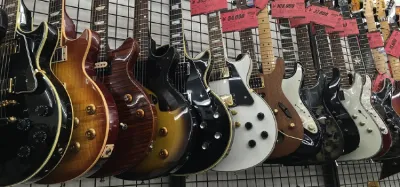
A salesperson tells you the mahogany body is why this guitar sounds so warm, and you start to wonder how much of that’s true. Wood stirs up endless debate among players, and the claims often run hotter than the facts.
The body and neck wood do color your sound, mostly through resonance and how long a note rings. Each species brings a slightly different character.
Still, the wood is only part of the picture. What reaches your ears through an amp leans far more on your pickups and your string gauge than the lumber underneath.
Below, you’ll hear what each popular species sounds like and how to match one to your style. Let’s get to how much the wood really matters.
Does Wood Affect Electric Guitar Tone?
Yes, the wood does affect the tone of an electric guitar, but the effect is more subtle than many players expect. Because an electric guitar’s sound is generated by magnetic pickups reading the vibration of steel strings, the wood plays a supporting role rather than the lead.
What the wood mainly influences is resonance, sustain, and the overall feel of the note as it decays. A dense, hard wood tends to deliver brighter, more sustaining tones, while a softer, lighter wood often sounds warmer and a touch rounder.
You can dig deeper into this debate in our guide on whether tonewood matters for electric guitar.
How Much Does Wood Type Actually Affect Tone?
Wood type shapes the character of your guitar, but it sets the foundation rather than the whole sound. Different woods lean toward different tonal flavors, and you can lean into the one that suits the music you want to play.
For example, rosewood is a popular choice for blues, classical, and jazz because of its dark, full-bodied character.
Here’s a quick rundown of common body woods and the sound each one is known for:
- Basswood - produces a bright, crisp sound that suits most rock styles. See whether basswood is good for guitar bodies.
- Mahogany - delivers a warm, mellow timbre with a dark, thick low end.
- Rosewood - yields a deep, full-bodied sound that works well for blues, jazz, and classical.
- Maple - gives an even tone with a fast attack. It’s solid yet light and sounds bright.
- Cedar - offers high-end tones that come across clear and sharp.
- Alder - known for bright, clear tones with plenty of sustain and a balanced midrange.
Keep in mind that two guitars made from the same wood can still sound different depending on the density of the specific piece, the construction, and the rest of the components.
Common Guitar Tonewoods and Their Sounds
The wood you choose for your electric guitar shapes the instrument’s voice, and some woods suit certain styles better than others. Building a good working knowledge of tonewoods helps you spend your money wisely and end up with a guitar that fits your sound.
A few combinations show up again and again because they’ve proven themselves over decades:
- Alder or basswood bodies are common on bright, snappy guitars built for rock, pop, and funk.
- Mahogany bodies, often paired with a maple top, give the thick, warm sustain favored for rock and blues. Our comparison of a maple vs mahogany body breaks down the differences.
- Swamp ash sits between the two, with a bright snap and a resonant low end.
- Koa is prized for its sweet, balanced midrange and striking grain. Read more about the koa wood guitar sound.
There’s no single best wood. The right one depends on the tone you’re chasing, so it pays to try several of the best woods for electric guitar bodies before you commit.
Does the Neck and Fretboard Wood Matter Too?
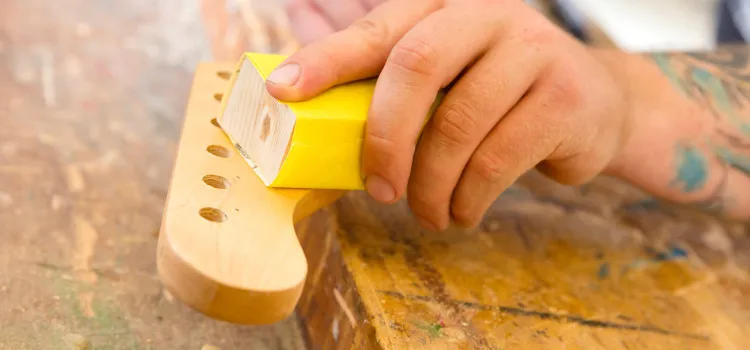
The body gets most of the attention, but the neck and fretboard woods contribute to your tone and feel as well. The neck is a long piece of wood under constant string tension, so its stiffness and density influence how the instrument resonates and sustains.
Maple necks are firm and bright, which is part of why they show up on so many bolt-on electrics. The fretboard adds its own subtle flavor on top of that: maple boards tend to sound snappy and tight, while rosewood boards feel a bit warmer and smoother under the fingers.
If you want to go deeper, see our guides on the best wood for an electric guitar neck and fretboard wood.
What Affects Electric Guitar Tone More Than Wood?
This is the key thing to understand: on an electric guitar, several components shape your tone more dramatically than the wood does. If you want a noticeable change in sound, these are the places to look first.
- Pickups - the single biggest tonal factor on an electric. Swapping pickups can completely change the voice of a guitar, far more than the body wood ever could. Learn about the types of guitar pickups.
- Strings - string material and gauge change brightness, output, and feel. Heavier strings sound fuller, and our guide on light vs medium strings covers the trade-offs.
- Amp and settings - your amplifier, its EQ, and any pedals do enormous heavy lifting in shaping the final sound.
- Setup and hardware - the bridge, the nut, action, and overall setup all affect sustain and resonance.
Wood sets the underlying character, but these elements are what listeners actually hear coming out of the speaker.
How to Choose the Right Wood for Your Tone
Start with the style of music you play most. If you want bright, cutting tones for rock or pop, lean toward alder, basswood, or a maple-topped body.
If you crave warmth and thick sustain for blues, classic rock, or jazz, mahogany and rosewood are natural fits.
Just as important is how the guitar feels and sounds unplugged in your hands. Play several instruments, notice which ones resonate and sustain in a way you like, and trust your ears.
Once you have a body and neck you enjoy, you can fine-tune the rest of the tone with pickups, strings, and amp settings rather than chasing the perfect plank of wood.
Frequently Asked Questions
Do cheaper woods like basswood sound worse?
No, basswood isn’t a worse wood, just a different one. It’s light and affordable, and it produces a bright, balanced tone that works extremely well for rock and shred styles.
Plenty of high-end guitars use basswood specifically for that voice. “Cheaper” reflects availability and cost, not a drop in tonal quality.
Can you actually hear the difference between tonewoods?
Unplugged, the differences in resonance and sustain between woods are fairly easy to feel and hear. Through an amp, the differences are subtle and can be hard to pick out, since the pickups and amp settings dominate the sound.
Many players notice the change more in how the guitar feels and responds than in the recorded tone. The wood’s influence is real, but it’s usually a finishing touch rather than the headline.
Does a heavier guitar body mean better tone?
Not necessarily. Heavier bodies often sustain a little longer and can sound a touch fuller, while lighter bodies can be more resonant and lively.
Neither is automatically better, and a heavy guitar is also more tiring to play standing up. Choose the weight that balances comfort with the sound you want.
Does the finish on the wood change the tone?
A very thick finish can slightly dampen resonance, while thin finishes let the wood vibrate more freely. The difference is small and tough to hear once the guitar is plugged in.
For most players, finish matters far more for looks and durability than for tone. It isn’t something to lose sleep over when picking a guitar.
Final Thoughts
So, does wood affect electric guitar tone? Yes, but it works in the background.
The body and neck woods shape resonance, sustain, and the overall character of each note, giving the instrument its underlying voice.
The bigger tonal decisions, though, come down to your pickups, strings, amp, and setup. Those are the levers to pull first when you want a real change in sound, with the wood adding a subtle layer on top.
The best approach is to play several guitars, notice which woods and combinations feel and sound right to you, and build from there. Get the foundation you love, then dial in the rest of your rig to land on a tone that’s truly your own.