You finish a long practice session and notice a sore, puffy spot on a fingertip. For beginners, that bubble can be alarming.
It usually shows up on a steel-string acoustic, where the strings dig in hardest. Your gear and your grip have a lot to do with whether it happens at all.
The good news is that blisters aren’t a sign you’re doing something wrong. They’re a stage your hands pass through on the way to tougher skin.
This guide walks through the causes, the fixes, and how to dodge them next time. Let’s start with whether the guitar can really blister you.
Can You Get Blisters From Playing Guitar?
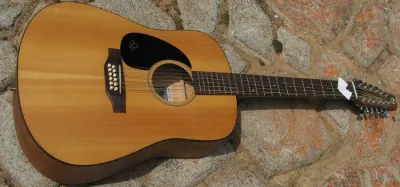
Yes, you can get blisters from playing guitar, but it depends on the type of guitar. Playing a steel-string acoustic guitar with light gauge strings can cause blisters on your fingers.
This is due to extended periods of hand restraint and chords being played in a single position.
On the other hand, playing a heavy gauge classical guitar won’t usually cause blisters, because classical guitars have softer nylon strings.
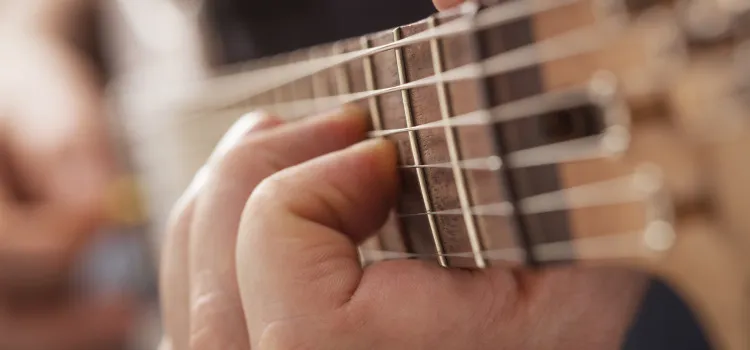
Playing chords, especially single chord changes held for long stretches, is the number one cause of blisters on the fingers. Holding your guitar at an awkward angle can cause them too.
All of these come down to overuse of the hands while playing guitar. Taking breaks during practice is one of the simplest ways to avoid the problem.
A break just means lifting your guitar off your lap for a few minutes to rest your hands.
Should I Continue Playing Guitar With Blisters?
I wouldn’t recommend playing guitar for a few days the same way you usually do. However, you can play simple things to ease back into it and build up your finger calluses.
Bending and vibrato are probably what will irritate your blisters the most, so avoid those during your practice session.
It’s also a good time to work on your picking hand instead of your fretting hand.
And if you’re an acoustic guitar player, consider switching to an electric guitar for a couple of weeks. Electric guitar strings are a lot easier on the fingers.
How Long Do Guitar Blisters Last?
If you follow the advice in this article to prevent and care for blisters, they’ll usually heal in a few days.
If you ignore that advice and keep grinding, a guitar blister can last longer than a week. It’ll also be uncomfortable and cause pain while trying to play guitar.
How to Get Rid of Guitar Blisters
There are a few common ways to deal with guitar blisters:
- Let it heal naturally.
With this method, guitar blisters usually only last a couple of days to a week. It’ll hurt while playing guitar, and you may notice some finger numbness or dead skin during this time. 2. Use over-the-counter blister care.
This is the easiest route and the one I lean toward, because you can keep playing guitar while the blister heals. The downside is that it can sometimes soften your calluses, which is something you don’t want. 3. Some players swear by apple cider vinegar for blisters as well.
Whichever route you choose, keep the area clean and avoid tearing the skin while it’s healing.
How to Avoid Blisters From Playing Guitar
To avoid blisters when playing guitar, change how you play. Instead of holding single chord progressions all the time, try switching to different chords every 10 to 20 seconds.
This helps rest your hands and lets them build calluses back up. The more guitar calluses you develop, the better you’ll be able to play, and the more comfortable it’ll feel.
Playing with lighter gauge strings will also help prevent blisters, especially while your fingertips are still toughening up.
Blisters vs. Calluses on Guitar Players
It helps to understand the difference between the two. A blister is a fluid-filled pocket that forms when the skin is irritated quickly, usually from too much friction in one spot in a single session.
A callus, on the other hand, is the hardened skin your fingertips build up gradually over weeks of consistent playing. Calluses are exactly what you want, because they protect your fingertips and let you play for longer without pain.
The goal is to play often enough to build calluses, but not so hard in one sitting that you tear the skin into a blister before those calluses have a chance to form.
Frequently Asked Questions
Do classical guitars cause blisters?
Classical guitars rarely cause blisters because they use softer nylon strings instead of steel. The nylon is much gentler on bare fingertips, even during longer practice sessions.
You can still develop sore fingers on a classical guitar, but full blisters are far less common than on a steel-string acoustic.
Are blisters a normal part of learning guitar?
Some finger soreness is normal when you start out, but frequent blisters usually mean you’re practicing too hard in a single session or using strings that are too heavy for your current skin. Most beginners build calluses without ever getting a true blister.
If you keep blistering, shorten your sessions, switch chords more often, and consider lighter strings until your fingertips toughen up.
Should I pop a guitar blister?
It’s generally better to leave a guitar blister intact so the skin underneath can heal protected. Popping it exposes raw skin and can slow your return to playing.
If a blister tears on its own, keep it clean and give it time before putting heavy pressure on that fingertip again.
Do electric guitars cause fewer blisters than acoustics?
Yes, electric guitars tend to cause fewer blisters than steel-string acoustics. Electric strings are usually lighter gauge and sit closer to the fretboard, so you need less pressure to fret a note.
That’s why switching to an electric for a couple of weeks is a common way to keep playing while a blister from an acoustic heals.
Final Thoughts
You can absolutely get blisters on your fingers from playing the guitar. If you play with heavier gauge strings and hold your hand in one position for long stretches, the chances of getting a guitar blister go up.
The good news is that you can prevent most blisters by keeping sessions reasonable, switching chord shapes often, and using lighter strings while your fingertips toughen. Treat any blister gently and let the skin recover before pushing hard again.
Then, once you have a solid callus base on your fingertips, blisters should mostly be a thing of the past, and you can focus on actually playing.