Run your thumb along the fretboard and you can feel the gunk. Sweat, skin oil, and dirt cake into the wood every time you play, and that grime drags on your fingers and dulls your notes.
The catch is that the cleaning depends on the wood. A bare rosewood or ebony board wants different treatment than a sealed maple one, and the wrong product can do harm.
This guide covers a safe routine for every board type, which products to reach for, and how often to do it. None of it costs much or takes long.
Cleaning the fingerboard is one piece of learning to care for your guitar, so it helps to know exactly what this part of the neck is.
What Is a Guitar Fingerboard?
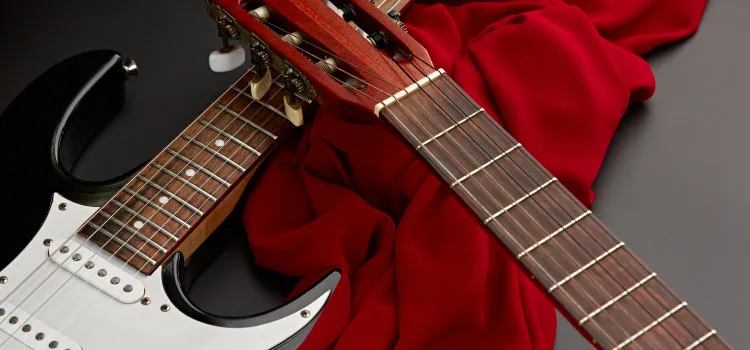
The fingerboard, also called the fretboard, is the flat strip of wood on the front of the neck where the guitar strings run. It’s the surface you press the strings against to fret each note, and the frets themselves are the thin metal bars set into it.
Fingerboards are built from several different materials depending on the guitar. Rosewood, maple, and ebony are the most common, and each one looks, feels, and reacts to cleaning a little differently.
Knowing which wood you’ve matters, because a finished maple board and a bare rosewood board don’t get treated the same way.
Why Cleaning Your Fingerboard Matters
Your fingerboard is in constant contact with your hands, so oils and other impurities collect on it every time you play. That buildup can affect the playability of the guitar, leaving some notes sounding dull or muffled and making the board feel sticky under your fingers.
Grime also works its way around the frets and into the pores of unfinished wood, where it dries out the surface over time. A quick, regular clean keeps the board feeling fast, protects the wood, and saves you from a much bigger restoration job later on.
What You’ll Need
You don’t need much to clean a fingerboard well. A few basic items cover almost every situation:
- A clean, dry microfiber or cotton cloth
- A soft brush (an old toothbrush works) for lifting grime around the frets
- A dedicated cleaning product such as mineral oil, naphtha, or a purpose-made string and fingerboard cleaner like the Jim Dunlop string cleaner
- Fretboard conditioning oil (lemon oil) for unfinished rosewood or ebony
- Optional: very fine steel wool (#0000) for polishing the frets, and a guitar polish for the body
Keep these together so cleaning is easy to do regularly. Avoid general household sprays, kitchen cleaners, and glass cleaner, since the solvents and additives in them can damage the wood and dull a finish.
How to Clean a Guitar Fingerboard Step by Step
Cleaning the board is straightforward once the strings are out of the way. Work in good light so you can see exactly what you’re lifting off the wood.
- Loosen or remove the strings so you’ve clear access to the full fingerboard.
Doing this when you change strings is the most efficient time to clean. 2. Wipe the board down with a dry cloth first to remove loose dirt and the worst of the surface grime. 3. Apply a small amount of cleaning solution to your cloth or soft brush, not directly onto the wood, and gently work along the board and around each fret to lift the remaining buildup. 4. Wipe away any residue with a clean, dry section of the cloth, working one fret space at a time. 5. If you have an unfinished rosewood or ebony board, apply a little fingerboard conditioning oil to nourish the fretboard wood and restore its color, then buff off the excess.
Skip the oil on finished maple boards, which only need a wipe down. 6. To brighten the frets, you can lightly polish them with very fine steel wool, masking the wood around them first so you don’t scratch the board.
Take your time and use product sparingly. A clean, dry cloth stored in your case lets you wipe the board down before and after playing, which keeps these full cleanings quick and infrequent.
How Often Should You Clean Your Fingerboard?
A light wipe-down should happen every time you play. Pull the guitar out, run a dry cloth along the strings and board after each practice or performance, and most grime never gets a chance to build up in the first place.
A deeper clean with cleaner and conditioning oil is best done when you change strings, which for most players is every one to three months. If your hands sweat heavily, you may want to do it more often.
As a preventive measure, you can also wash and dry your hands before playing rather than putting lotion or conditioner on them, since creams transfer straight onto the strings and board.
Other Parts of the Guitar to Keep Clean
While the fingerboard gets the most attention, a few other areas are worth a quick look whenever you clean. Keeping the bridge clean and in good shape matters because it transfers the vibration from each guitar string into the body, which directly affects your tone and volume.
The rest of the wood on rosewood, maple, and ebony surfaces can also collect oils and dust. Wipe these areas with a slightly damp cloth and the appropriate conditioner for the wood rather than a solvent-based or glass cleaner, which can harm bare wood and finishes alike.
A cleaning session is also a good moment to inspect the neck for a twist or warp or any other developing issues, so you catch problems early.
Also worth reading: cleaning your guitar strings.
Frequently Asked Questions
What’s the best guitar polish?
There’s no single polish that beats all the others. It really comes down to preference.
Different polishes leave different finishes, from matte to high gloss, so you can choose one that matches the look you want.
The harder part is settling on a brand, and you may go through a couple before you find one you like. Just make sure any polish you buy is made for guitars rather than general furniture.
What’s the best way to clean a guitar fingerboard?
For routine maintenance, a soft cloth or brush is enough to lift most dirt. When buildup is heavier, a dedicated fingerboard cleaner used sparingly on the cloth will cut through it without harming the wood.
Save conditioning oil for unfinished rosewood and ebony, and reserve any mild abrasive, like very fine steel wool on the frets, for occasional deep cleans rather than every session.
Is it safe to use a guitar cleaner on a fingerboard?
Yes, as long as it’s a product designed for guitar fingerboards. These cleaners are formulated to remove dirt and oils without attacking the wood or finish, and many work on both electric and acoustic guitars.
The key is to use only products intended for instruments and to apply them to a cloth, never to soak the board.
Can you use household cleaners on a fingerboard?
No. General household cleaners, kitchen sprays, and glass cleaner contain solvents and additives that can dry out, stain, or damage the wood and any finish on it.
Stick to a guitar-specific cleaner or a simple dry cloth, and add conditioning oil only on bare wood that needs it.
Final Thoughts
The best way to clean a guitar fingerboard is also the simplest: a soft, dry cloth for everyday wipe-downs and a dedicated cleaner plus a touch of conditioning oil for the occasional deep clean. A guitar will play more smoothly and sound clearer when the board is free of grime and the wood stays nourished.
Build the habit of wiping the board down before and after you play, and do the full clean when you change strings. While you’re at it, give the frets, bridge, and neck a quick check so the whole instrument stays in top shape.
Most importantly, keep household and glass cleaners away from the wood and let guitar-specific products do the work. A few minutes of regular care goes a long way toward keeping your fingerboard fast, clean, and ready to play.