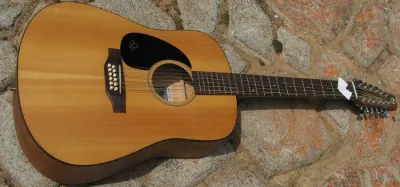

Guitar prices can look baffling. Two instruments sit side by side, yet one costs four times the other, and it’s hard to see why.
The gap usually comes down to build quality, the woods used, and how the guitar plays right out of the case. A higher price often buys better fretwork and parts that hold tune, not just a fancier logo.
This guide sorts guitars into three skill levels and shows what your money buys at each one. We do this for an electric, an acoustic-electric, and a plain acoustic.
First up are the beginner models. Here’s what to expect when you’re just starting out.
Beginners Guitars - What to Expect to Pay and Features Expected
When sales people notice the person purchasing a starter instrument is a beginner player, they might take advantage of the situation. Thus, before investing in one, it’s imperative to do some research.
Proper research will get you informed about the ideal guitar option for a beginner. When you’ve knowledge about the varieties of acoustic or electric guitars available in the market, it becomes easy to purchase the right guitar.
However, if you shop without doing research, you can easily fall into the wrong hands of guitar suppliers or find an acoustic or electric guitar that doesn’t match your beginner’s needs.
There are various amateur guitars in the music stores, and different companies make them. You might notice the same guitars priced differently across different stores.
Don’t settle for the cheapest electric or acoustic guitar as you might miss out on quality. When it comes to this stringed instrument, affordable guitar products won’t always offer you the service you’re seeking.
If you start shopping and find that the rate you’ve in mind is too good to be true, it probably is. If you purchase an inexpensive model, sometimes it may not serve your needs, and it could produce a low-quality sound.
For this reason, it’s paramount to get a guitar that’ll satisfy your demands.
The ideal model for guitar novices is the one with a starter pack. When choosing a guitar starter pack, get an all-in-one kit.
It must’ve everything that you need to start playing guitar. With the ideal starter pack, you won’t have a hard time getting going.
Besides, buying a starter guitar kit will save you money compared to buying an advanced guitar built for experienced guitarists. A starter kit should include a pick, a tuner, a cable, extra strings, a bag, and an instruction book or DVD.
In addition to what you’ll get when you purchase a guitar, you may be forced to acquire an amp.
It’s much better if you buy the product in person. This is because you’ll need to test the starter guitar and determine if this is a suitable product for you to use.
If you purchase the product online and ship it to your home, it’s paramount for you to choose a reliable site selling guitars. Make sure you read and understand their return policy to avoid disappointments when you finally get your hands on the guitar.
Other things to look out for include warranty, delivery method, and payment and price range options.
Options in this starter range include lower end Epiphone, Squier Stratocaster and Telecaster, Yamaha acoustic guitars, and similar models. Here are some great guitars for beginners and some electric guitar starter kits.
Intermediate Guitars - What to Expect to Pay and Features Expected
Upgrading to an intermediate electric or acoustic guitar is a huge stepping stone. You should enroll in some classes to find out if you’re ready to upgrade.
The guitar lessons will help you determine if this is a suitable product for you to buy. The ideal tutor will give you the go-ahead to upgrade your instrument and give you some tips on enhancing your talent.
A mid-range guitar will range between $500 and $1,500. Though they’re higher priced, these guitars are more versatile compared to the beginner’s option.
It’d help if you upgraded once you’ve developed some skills. That way, you’ll be playing with an instrument that matches your skill level.
Besides, you can be assured of getting value for your money by investing in a quality product.
When purchasing an electric or acoustic guitar model, you need to consider your body shape. An ideal mid-range instrument has a cut-away body and good condition.
When ordering the product, get the one that’ll be easy to fine-tune. It’s also paramount for you to ensure the strings are in good shape.
You ought to inquire how far the strings are from the fretboard. It’s crucial for you to get one with the guitar strings close to the fretboard as it’ll be easy to adjust.
The music genre you’re planning to play will also affect the type you’ll acquire, acoustic or electric. It’s paramount for you to ensure that your guitar will allow you to play the genre you’ve in mind.
You’ve to keep in mind that some are ideal for multiple genres, and for that reason, you’ve to ensure that you’ve found a suitable option. If you aren’t sure, inquire from your guitar suppliers.
They’ll guide you on the best guitars that match the type of music you plan to play.
However, when planning to buy this product, keep in mind that they don’t come with a beginner’s pack kit. Thus, you may be forced to buy each guitar accessory separately.
This will require you to set aside some amount of money for the venture. The good news is that you won’t need to buy the entire kit all at once.
Buy what you need at a time until you get all the necessary gear.
Some guitar brands at this level include Epiphone, Fender, Yamaha, Squier, and Ibanez.
Check out these best acoustic guitars for intermediate guitar players.
Advanced Pro Level Guitars - What to Expect to Pay and Features Expected
The pro-level expensive guitar is ideal for those who have mastered the art of playing this instrument and want higher quality construction. If you feel that this is the one for you, it’s crucial for you to take your time and research the various products available in the market.
Different manufacturers have their way of sprucing up their products. Select the best fit for you.
Besides, the device you purchase will help in determining the quality of sound you get.
If you plan on getting a pro option, you should set a budget of about $1,500 to $10,000. What determines the price range is the brand of acoustic or electric guitar you get.
When investing in the product, it’s paramount for you to choose a brand that has the reputation of giving the best experience to its clients. A suitable way of doing this is by going online and reading user reviews of guitars provided by previous clients.
From the comments, you’ll quickly tell the guitar that meets most people’s expectations and which one doesn’t. When you get it right, you’ll be assured of getting value for your money.
What you’ve to understand with the pro guitars is that they’re often hand-made. Thus, they’re beautiful and unique.
With this instrument, you can be sure you’ll be the envy of your friends. If you’re planning to use it to perform, the pro options will help by adding to the appeal.
Thus, this will give you confidence when you’re playing it.
It’s also vital for you to understand a pro guitar will give you value for money. The reason being they’re durable, as long as you take proper care of them.
Before buying the product, you’ve to talk to the sales representative and inquire about the best way to take care of your electric or acoustic guitar so it serves you for a long time. The professionals will give you details on how you can take care of different instruments, guitar included.
If so, you can choose the one that’s easy to handle and maintain. All you need is to do your due diligence and decide to buy from a company known to offer the best to its clients.
By doing this, you’ll be assured of getting a product that’s easy to set up, tune, and play.
Some higher level brands include Gibson, Fender Stratocaster or Telecaster, and Ibanez. Many vintage guitars usually fall here as well.
Other Things to Consider With Costs
- You’ll need an amp if you’re planning on using an electric guitar. We recommend taking a look at our beginner guitar amp guide.
- Does the guitar need a professional setup?
- Educational extras matter too. Is Ultimate Guitar Pro Worth It?
- How to pack a guitar for shipping without a case.
Frequently Asked Questions
How much does a beginner guitar cost?
Most solid beginner guitars and starter kits cost under $500, with plenty of good options in the $150 to $300 range. An all-in-one starter pack that bundles a tuner, picks, a strap, and a gig bag is usually the best value because it covers everything you need to start playing.
Going much cheaper than that often means poor build quality and a guitar that’s hard to keep in tune, which makes learning frustrating. Aim for a reputable brand rather than the absolute lowest price.
Is a more expensive guitar easier to play?
Often, yes. Pricier guitars tend to have better fretwork, more stable necks, and a cleaner factory setup, all of which make the instrument more comfortable and forgiving to play.
That said, a well-set-up budget guitar can play better than an expensive one straight out of the box.
For that reason, a professional setup is frequently the single best upgrade you can make at any price point, and it costs far less than a new instrument.
How much should I spend on my first guitar?
For most first-time players, somewhere between $200 and $400 hits the sweet spot. That budget gets you a guitar that stays in tune, plays comfortably, and holds its value reasonably well if you decide to upgrade later.
Spending less is fine if money is tight, but try not to go so cheap that the guitar fights you. A poorly made instrument is one of the most common reasons beginners quit.
Are expensive guitars worth it for beginners?
Usually not at the very start. A high-end, pro-level guitar offers refinements that beginners simply can’t take advantage of yet, so most of that money is wasted early on.
You’re better off with a quality intermediate or beginner instrument while you build your skills.
Once you’ve developed your technique and know what tone and feel you prefer, upgrading to a more expensive guitar makes a lot more sense.
Final Thoughts
It doesn’t matter the type of guitar, acoustic or electric, you’re planning to buy. It remains important to get one that’ll offer you the best service.
Regardless of how much you as a player practice, if you don’t have a quality music instrument, your end product will be compromised. For that reason, take time to ensure that you buy a quality electric or dreadnought acoustic guitar (or concert acoustic guitar or concert acoustic-electric guitar), whether you’re a beginner, intermediate level, or a pro.
Additionally, you can easily cut guitar costs by shopping around to identify suppliers who offer reasonable prices. Above all, exercise proper guitar maintenance practices, and you’ll have a long-lasting experience with your acoustic or electric guitar.