You walk in ready to buy. The guitar that catches your eye is rarely the one you should take home, because excitement pushes the practical questions aside.
That’s how people end up with a body that’s too big to hold, or pickups that don’t suit the music they actually play. The finish gets all the attention while feel and fit get none.
This article lists the 11 slip-ups that catch buyers most often, from your very first guitar to your fifth. Each one gets a plain fix you can use the next time you shop.
We’ll start with why the wrong guitar is so easy to pick in the first place.
Why Buying the Wrong Guitar Is So Easy
Even if you aren’t experienced, it can be hard to tell a bad guitar from a good one at a glance. Two instruments can look almost identical on a wall yet feel and sound completely different in your hands.
The trick is to slow down and familiarize yourself with the features and specifications that actually matter before you decide. Don’t let your excitement cloud your judgment with an impulse buy.
The points below cover the traps to watch for, in roughly the order they tend to catch people.
Also check out - how to tell if a guitar has good quality
11 Electric Guitar Buying Mistakes to Avoid
1. Ignoring the Importance of Guitar Size
If you’re a beginner, don’t buy an oversized guitar. You want one that’s comfortable to play and easy to maneuver, because a body or neck that fights you’ll slow your progress and kill your motivation.
Try a bunch of shapes and sizes to see what feels most natural. If you start with a good guitar that fits you well, you can always upgrade to a different size later once you’re more experienced.
2. Overestimating Your Playing Ability
It’s tempting to buy the nicest guitar you can afford, but if you aren’t yet good enough to get the most out of it, you’re wasting money. Buy something that matches your current skill level and save the high-end instrument for later.
That said, don’t swing too far the other way. You’ll improve faster on a decent guitar than on a poor-quality one that’s frustrating and difficult to play.
3. Falling for Cheap Construction
You don’t have to spend big money on an electric guitar when you’re new, but the instrument should still be built well. There’s no point buying a guitar that falls apart after a short period of use.
For some buyers this isn’t an issue, especially if they land a great deal on something solid enough for their needs. But for beginners, a cheaply constructed guitar can be a real problem: it may come apart quickly or refuse to stay in tune at all.
4. Not Keeping an Eye on the Finish
The finish should look appealing and professional, and it should be durable so it holds up to normal handling. You don’t want a brand-new instrument that looks worn the moment you start playing it.
Keep in mind that scratches and chips in a thin or cheap finish can make a guitar look old fast. A quality finish protects the wood and keeps the instrument looking good for years.
5. Forgetting to Consider Your Playing Style
Think about how you actually play. If you spend a lot of time playing loud and aggressively, a heavier, more solid guitar can suit that style and sustain well.
If you prefer something quieter, more mellow, and more intimate, a lighter guitar may be a better fit. Matching the instrument to your style makes long practice sessions far more enjoyable.
6. Overlooking Important Pickup Features
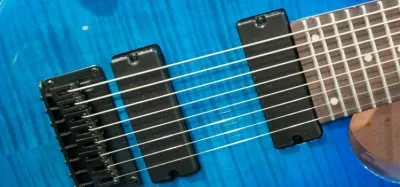
Pickups shape your tone more than almost any other component, so don’t ignore them. Look for a guitar with quality-made pickups that sound good and are built to last.
It also helps to choose pickups that are common and easy to replace, such as standard humbuckers. That way, if you want to change your sound down the road, upgrades are simple and affordable.
7. Misjudging the Guitar’s Real Value
Look hard at the value of the guitar you want, and don’t let yourself be swayed by aesthetics or a long features list alone. It’s easy to get overwhelmed by options when you’re shopping.
Slow down and compare what you’re actually getting for the price. A little research here keeps you from paying a premium for flash that doesn’t translate into a better instrument.
8. Forgetting About Wood Quality
The woods used in a guitar affect both its tone and its durability, so they deserve attention. Check that the body and neck use decent-quality wood rather than the cheapest material available.
Pair good wood with solid construction and you have a guitar that should sound better and last longer. Poorly chosen or poorly assembled wood is a common reason budget guitars disappoint.
9. Mistaking Price for Long-Term Value
When a great deal is on the table, there’s pressure to decide quickly. Grabbing a bargain feels good in the moment, but a snap purchase is still a long-term commitment.
Instant gratification doesn’t guarantee long-term satisfaction. Make sure the guitar genuinely fits your needs before you let the price alone make the decision for you.
10. Skipping Online Research and Reviews
Before you buy, spend time researching online and reading third-party reviews and watching demo videos. This gives you a realistic idea of what to look for and what to expect from a given model.
Hearing a guitar played and reading about other owners’ experiences will flag common issues before they become your problem. A few minutes of research can save you from an expensive mistake.
11. Leaning Only on Strangers’ Opinions
Reviews are useful, but don’t outsource the whole decision. A single bad experience with one damaged instrument can color someone’s opinion of an entire model and steer you wrong.
Do your own research first, then weigh expert and owner opinions against it. Combining trusted reviews with your own homework is what keeps you from making a costly purchase you regret.
How to Avoid These Mistakes Before You Buy
Most of these mistakes share the same root cause: rushing. Slowing down and running through a short checklist solves nearly all of them at once.
Before you commit, confirm the guitar fits your body and skill level, feels well built, stays in tune, and uses decent wood and pickups. Then cross-check the price against reviews and your own notes rather than the looks alone.
If a guitar passes those checks and you still love how it feels, you’re in good shape to buy.
Frequently Asked Questions
What’s the biggest mistake when buying a first electric guitar?
The biggest mistake is choosing a guitar based on looks or price instead of how it feels to play. A flashy or expensive instrument that’s too large, poorly built, or hard to play will only discourage you.
Prioritize comfort, build quality, and a guitar that matches your current skill level. Those factors do far more for your progress than appearance.
How much should I spend on my first electric guitar?
There’s no single right number, but you don’t need to spend big to get a playable instrument. Focus on getting a well-constructed guitar that stays in tune rather than the most expensive one you can afford.
Buying within your skill level leaves room to upgrade later, once you know what features and tones you actually want.
Should I buy an electric guitar online or in a store?
Both can work, but trying a guitar in person lets you judge size, weight, and feel before you commit. If you buy online, lean heavily on research, reviews, and demo videos to fill that gap.
Whichever route you choose, check the return policy so you aren’t stuck with a guitar that doesn’t fit you.
How can I tell if a cheap electric guitar is good quality?
Check that it’s solidly constructed, holds tune, and has a clean, durable finish with no obvious flaws. Decent wood and quality pickups are good signs even on a budget instrument.
For a deeper checklist, see our guide on how to tell if a guitar has good quality before you buy.
Final Thoughts
Almost every electric guitar buying mistake comes back to letting excitement override judgment. Chasing looks, overspending too early, or skipping research are easy traps, but they’re also easy to avoid once you know they exist.
Take your time, play a few options, and judge each guitar on fit, build quality, and value rather than the finish or the price tag alone. Combine your own hands-on impressions with honest reviews and you’ll walk away with an instrument you genuinely enjoy playing.
That’s the real goal here: not just buying a guitar, but buying the right one for you. Run through this list before your next purchase and you’ll sidestep the mistakes that catch most buyers.