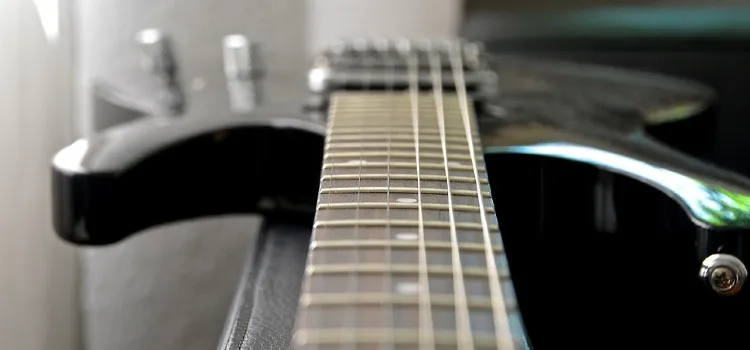
You need cash and there’s a guitar in the closet you barely touch anymore. The decision to sell can sting, since that instrument carries real memories with friends and family.
Once you’ve decided, the next question is where to take it. The fastest sale rarely pays the most, since each option moves at its own speed for its own price.
This guide covers 10 places to turn a guitar into cash. For each one, you’ll see how it works and how to land a fair price along the way.
First, one honest question. Before you list it anywhere, it’s worth asking whether selling is the right move at all.
Should You Sell Your Guitar at All?
Before you list anything, ask yourself what the guitar actually means to you. If it holds real sentimental value because of your relationship with it, the best move may be to keep it.
Don’t let go of something meaningful just because you’re tired of seeing it in the closet.
If you’ve decided the guitar no longer serves you, then selling it to fund a new instrument or free up space makes good sense. The rest of this guide assumes you’re ready to sell and want the most cash with the least hassle.
10 Places to Sell Your Guitar for Cash
1. Offer It to Friends and Family First
Start by offering the guitar to friends and family who might want it. More often than not, they’ll be honored to own a memento tied to your relationship through the instrument.
If someone is interested, consider accepting their offer and putting the money toward a new guitar.
2. Post on Facebook and Social Media
If no one in your immediate circle bites, take it to social media. Post on Facebook, Instagram, or Twitter and ask whether anyone wants to buy it.
Even if your friends aren’t buyers themselves, a clear post explaining why you’re selling can reach an entirely new audience that ends up interested.
3. Search “Used Musical Instruments” in Your City
Look up used musical instrument shops near you and ask about selling or trading in your guitar. Most good shops carry a wide variety of guitars from different manufacturers, and some models move faster than others.
A local store can be an easy, low-effort way to offload an instrument.
4. Contact an Auction House
An auction house can be a good option if you want to sell quickly and potentially for a large sum. The catch is that auction houses take a percentage of the sale price, which in many cases can be as much as 20 percent.
Keep that fee in mind before you commit to this route.
5. Repurpose or Upcycle the Guitar
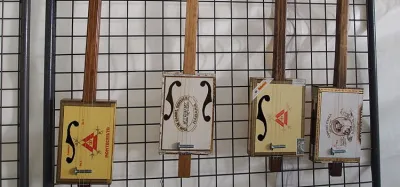
If you’re still stuck and the guitar won’t sell, consider creative uses for it instead. A quick search for alternative uses for a guitar turns up ideas such as repurposing it as decor or as part of an art installation.
If none of those appeal to you, think about how the guitar could still be useful to you before parting with it.
6. List It on eBay or Craigslist
eBay and Craigslist put your guitar in front of a huge pool of buyers. Be careful to avoid scammers and buyers fishing for a specific model.
Research the going rate for your guitar in advance, and if you’re buying through a listing, check the seller’s feedback history first.
7. Visit Local Pawn Shops
If you live in a city, you likely have access to pawn shops. They’re a great place to sell an instrument when you want an instant payday.
Just remember that a pawn shop exists to make money, so you’ll probably have to accept a fairly low price compared with selling directly to another musician.
8. Get an Appraisal at a Music Shop
Most guitar retailers are happy to appraise your instrument so you have a better idea of its value. If you aren’t satisfied with the first quote, visit a few other music shops in your area and have them appraise it too.
You may be surprised at how much it’s worth.
9. Reach Out to Local Musicians
If you’re part of the local music scene, other musicians may want to buy your guitar. Even if you don’t already know any, players who perform regularly in your area are usually easy to track down through Facebook and other social media sites.
10. Donate It to a Worthy Cause
If you simply want to part with the guitar without feeling guilty, donate it to a charity that’ll put it to good use. A few organizations that accept guitar donations:
How to Get the Best Price for Your Guitar
Where you sell matters, but presentation matters just as much. Clean the guitar, wipe down the fretboard, and put on a fresh set of strings so it plays and looks its best.
Take clear, well-lit photos from several angles, including any wear, so buyers trust the listing.
Know your model before you negotiate. Note the brand, model, year, and condition, then compare against completed sales for the same guitar so your asking price is realistic.
Direct sales to friends, fellow musicians, or private buyers on eBay and Craigslist almost always net more than a pawn shop, which buys at a discount so it can resell at a profit.
Frequently Asked Questions
Where can I sell my guitar for the most money?
Selling directly to another player usually pays the most, whether that’s a friend, a local musician, or a private buyer on eBay or Craigslist. You skip the middleman, so there’s no shop markup or auction commission eating into your price.
Pawn shops and trade-ins are convenient but pay the least, because they need room to resell at a profit.
What’s the fastest way to sell a guitar for cash?
A pawn shop is typically the fastest route to instant cash, since they buy on the spot. A local music shop that does trade-ins or buybacks is a close second.
If you have a little more time, a well-priced listing on Facebook, eBay, or Craigslist can sell within days and usually for more money.
How do I figure out what my guitar is worth?
Start by identifying the exact brand, model, and year, then look at completed sales for the same guitar to see what buyers are actually paying. Condition has a big impact, so factor in any dings, fret wear, or electronics issues.
For a second opinion, take it to a local music shop and ask for an appraisal. Comparing a few quotes gives you a solid price range.
Do pawn shops pay well for guitars?
Pawn shops prioritize speed over price, so they generally pay below market value. They’ve to resell the guitar at a profit, which means your offer will be lower than a private sale.
Use a pawn shop when you need cash immediately and are willing to trade a higher price for convenience.
Final Thoughts
The future of your guitar ultimately rests in your hands. From friends and family to social media, music shops, auction houses, and online marketplaces, you’ve plenty of ways to turn it into cash.
If your goal is the most money, sell directly to another player and take the time to clean it up and price it right. If your goal is speed, a pawn shop or trade-in gets it done today.
Weigh the options, make an informed choice, and there’s no wrong answer here.