
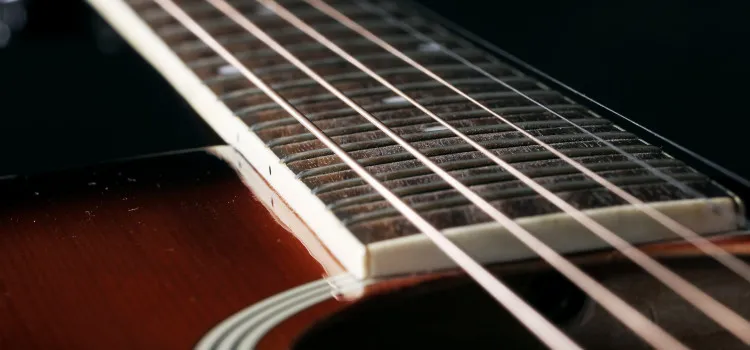
Two acoustics can look identical and still attach the neck to the body in completely different ways. That hidden joint follows the guitar through every repair and every resale.
One method leans on hardware, the other on a tight wood joint and glue. Builders have taken sides on this for a long time.
The split matters most when something goes wrong or when you decide to sell. A neck reset on one design is a far bigger job than on the other.
This guide explains both joints, where each one wins, and where it lets you down. We’ll start with the bolt on neck.
Quick Comparison
| Category | Bolt On | Dovetail | Winner |
|---|---|---|---|
| Repairs and resets | Minutes, fast and predictable | Skilled glued-joint surgery | Bolt On |
| Long-term stability | Hardware can loosen over time | No moving parts | Dovetail |
| Tradition and resale | The modern approach | Heritage appeal, holds value | Dovetail |
| Cost of ownership | Cheaper neck resets | Pricier service | Bolt On |
| Famous brands | Taylor, Collings | Martin | Tie |
| Tone | Outstanding examples exist | The joint debate is overblown | Tie |
| Overall | Practical serviceability | Traditional craft | Depends |
What Is a Bolt On Neck on an Acoustic Guitar?
A bolt on neck attaches the neck to the body of the guitar using bolts to fasten the two pieces together. Instead of relying on a glued wood joint, the neck seats into a pocket and is held in place mechanically.
Because the connection is mechanical rather than permanent, the neck can be loosened, removed, and reseated without destroying the joint. That simple idea is the source of most of this design’s strengths and weaknesses.
Advantages of Bolt On Necks on Acoustic Guitars
The advantages of a good acoustic guitar bolt on neck include:
- Easy to make and repair: Because the neck is bolted to the body, any repairs or adjustments due to twisting or warping can be made in minutes. You won’t have to wait for someone to build and sand a new neck to match your old guitar’s inlays.
- Versatility: Bolt on necks are versatile in the types of guitars they can be used on, which is part of why they show up across so many modern builds.
- Predictable neck resets: Setting the neck angle is a matter of adjusting the bolted joint rather than steaming apart glued wood, so a reset is faster and more repeatable.
Things Bolt On Necks Are Not Good For
Despite their advantages, bolt on necks aren’t ideal for everyone:
- Set-and-forget heirloom guitars: Because the neck can be removed and replaced easily, some players feel a bolted joint is less suited to an instrument they plan to keep forever. Hardware can loosen or corrode over decades of hard playing.
- High tension or heavy-handed playing: Players who put a lot of sustained pressure on the neck sometimes prefer the extra rigidity of a dovetail joint, which many feel handles that stress with a more locked-in feel.
Acoustic Guitar Brands That Use Bolt On Necks
A few well-known acoustic builders use bolt on neck joints, including:
- Taylor Guitars
- Collings
What Is a Dovetail Neck?
A dovetail neck refers to the way the neck and body of an acoustic guitar are joined together. The neck heel is cut into a wedge-shaped tenon that locks into a matching slot in the body, interlocking the two pieces and holding them tight without bolts.
This is the traditional method used on many classic acoustics. The joint is typically glued, creating a permanent, rigid connection between neck and body.
Advantages of Dovetail Necks on Acoustic Guitars
The advantages of an acoustic guitar dovetail neck include:
- No moving parts: The interlocking wood joint is very stable and avoids mechanical hardware that can fail. A bolt on neck can loosen over time from vibration and from your fretting hand resting against it.
- Long life: With no hardware to back out, a well-cut dovetail joint can last for years with little need for adjustment.
- Traditional construction: The dovetail is the time-honored way to set an acoustic neck, and many players associate it with classic, premium instruments.
- Higher value: Because the neck and body are joined with well-made dovetail joints, these guitars tend to hold their value better than comparable bolt on instruments.
Things a Dovetail Neck Is Not Good For
Despite its strengths, a dovetail joint isn’t good for everything:
- Quick, easy repairs: Because the joint is made of glued, hand-fit wood, more skill is required to repair it or adjust it correctly.
- Versatility: Dovetail necks are less versatile in the range of guitars they suit, since the joint has to be cut and fit precisely for each body.
- Fast neck resets: A dovetail reset means carefully steaming and refitting the glued joint, so it takes longer and costs more than reseating a bolted neck.
Acoustic Guitar Brands That Use Dovetail Necks
The dovetail joint is closely tied to traditional acoustic builders, most famously:
- Martin
How Bolt On and Dovetail Necks Compare
So we’ve covered the pros and cons of each joint. Let’s look at how they stack up side by side.
| Factor | Bolt On Neck | Dovetail Neck |
|---|---|---|
| Attachment | Metal bolts into a neck pocket | Interlocking glued wood joint |
| Ease of repair | Fast, minutes for a reset | Slower, requires skilled work |
| Stability | Can loosen over time | Very stable, no moving parts |
| Neck reset | Quick and repeatable | Time-consuming and pricier |
| Resale value | Good | Often holds value better |
| Typical builders | Taylor, Collings | Martin |
For repairs and serviceability, the bolt on neck clearly wins because a reset is fast and predictable. For long-term stability and traditional resale appeal, the dovetail tends to edge ahead.
Tone is the part players argue about most. In practice both joints can produce excellent sound, and the wood, bracing, and overall build of the acoustic guitar design matter far more than the joint alone.
The best way to decide is to play examples of both and notice which feels and sounds right to you.
Frequently Asked Questions
Does a dovetail neck sound better than a bolt on neck?
Tone is heavily debated, and many luthiers argue the joint type makes only a small difference compared to the tonewoods, bracing, and overall construction. Both bolt on and dovetail acoustics can sound outstanding.
If tone is your priority, focus on playing individual guitars rather than choosing on joint type alone.
Is a bolt on acoustic neck cheaper to repair?
Generally yes. A bolt on neck can be reseated or have its angle adjusted in a fraction of the time it takes to steam apart and refit a glued dovetail joint.
That faster, simpler process usually means lower repair and neck-reset costs over the life of the instrument.
Which neck joint holds its resale value better?
Traditional dovetail acoustics, especially from heritage brands, often hold their value particularly well thanks to their classic construction. That said, well-built bolt on guitars from respected makers also retain value strongly.
Brand, condition, and model matter more than the joint type by itself.
Can you tell the joint type by looking at the guitar?
Not always from the outside. You often have to look inside the body through the soundhole, or check the manufacturer’s specifications, to confirm whether a neck is bolted or set with a dovetail joint.
When in doubt, the brand and model are a reliable shortcut, since most makers stick to one approach.
Final Thoughts
There’s no single winner in the acoustic guitar bolt on neck vs dovetail debate. A bolt on neck is the practical choice if you value fast, affordable repairs and predictable neck resets.
A dovetail neck rewards players who want traditional construction, long-term stability, and strong resale value.
Tone differences between the two are smaller than the marketing suggests, so let the wood, bracing, and overall build guide you as much as the joint. If you can, play a few guitars of each type back to back and trust how they feel in your hands.
Whichever you choose, understanding how the neck attaches to the body helps you make a smarter buying decision and know what to expect from future maintenance. That knowledge pays off whether you’re shopping for your first acoustic or your next keeper.